
Oral Hygiene
Dental Implants: Advantages and Disadvantages

This blog has been reviewed and approved by Dr. Stephanie Gans.
Dental implants provide a dependable, long-term way to replace missing teeth. Because they closely resemble and function like your natural teeth, dental implants offer advantages such as better appearance, improved chewing, and support for jawbone health. While the procedure is considered safe for most patients, it’s important to understand potential complications and talk them through with your dental professional. Since coverage for dental implants varies across insurance plans, it’s wise to review all your options so you can manage dental implants prices and overall costs effectively.
Key Takeaways
TABLE OF CONTENTS
TABLE OF CONTENTS
What Is a Dental Implant?
A dental implant serves as an artificial root to replace a missing tooth. It typically consists of a titanium post that is surgically inserted into the jawbone. Over time, the surrounding bone fuses with this post in a process called osseointegration. This creates a strong, secure base for a crown, bridge, or denture. Because of this fusion, dental implants are among the most durable and reliable tooth replacement options available.
Dental Implant Surgery Procedure
Here’s an overview of what to expect when getting dental implants, from the first visit to the final restoration:
- Consultation and Planning - A dentist or oral surgeon evaluates your oral health, reviews your medical history, and may take X‑rays, 3D scans, and dental impressions to plan the dental implant procedure.
- Implant Placement - Under local anesthesia (and sometimes sedation), the titanium implant is surgically placed into the jawbone. Each implant typically takes about an hour to position.
- Healing - After placement, a healing period of several months allows the implant to bond with the bone through osseointegration. During this phase, your dentist may provide a temporary restoration to maintain appearance and some function.
- Abutment Placement - Once healing is complete, an abutment is attached to the implant. This connector piece acts as a core or post above the gumline and provides a stable platform for the final restoration.
- Crown Placement - A custom-made crown is then attached to the abutment, completing the restoration and fully restoring the missing tooth.
Advantages of Dental Implants
-
Long-Term Durability
- With good oral hygiene and regular dental care, dental implants can last many years and may even last a lifetime.
- The titanium post becomes integrated with the jawbone and functions as a permanent part of your mouth.
- Implants are designed to withstand normal biting and chewing forces, similar to natural teeth. They are often more durable than other tooth replacement options, such as traditional bridges or removable dentures.
-
Prevents Bone Loss
- When a tooth is lost, the supporting jawbone can begin to shrink or deteriorate.
- Dental implants act like natural tooth roots, stimulating the bone and helping prevent bone loss. This support helps maintain facial shape and overall oral health.
-
Restores Full Chewing Function
- Because dental implants are firmly anchored in the jaw, they restore strong, stable chewing ability.
- You can eat a wide variety of foods with confidence, without worrying about slipping or shifting.
-
Natural Look and Feel
- Dental implants are designed to mimic the look and function of natural teeth.
- They can enhance your smile’s appearance and increase self-confidence. Implants allow you to speak, eat, and laugh comfortably and confidently. Many people find that implants significantly improve their overall quality of life.
Risks and Considerations
Dental implants are generally considered safe and have a high success rate, but as with any surgical procedure, there are potential risks and considerations:
- Infection at the Implant Site - An infection can develop where the implant is placed, but following your dentist’s instructions and practicing good oral hygiene can greatly reduce this risk.
- Nerve Damage - If an implant is positioned too close to a nerve, it can cause nerve irritation or injury, leading to pain, numbness, or tingling in the gums, lips, or chin.
- Sinus Issues - For implants placed in the upper jaw, there is a possibility that the implant could extend into the sinus cavity, potentially causing sinus complications.
- Implant Failure - In some cases, the implant may not properly fuse with the bone, which can result in loosening or loss of the implant and require removal or replacement.
- Peri-implantitis - This is an inflammatory condition that affects the gum and bone around the implant, often linked to plaque buildup and poor oral hygiene. Regular dental checkups and diligent home care help lower the risk of peri-implantitis.
- Cost - Dental implants can be expensive, with prices commonly ranging from $3,000 to $6,000 per tooth without insurance coverage.
Costs and Insurance
Coverage Dental implants cost can vary greatly, but they typically range from about $3,000 to $6,000 per tooth. The cost of full- mouth dental implants also differs widely, from approximately $24,000 to $90,000. The average cost of full- mouth dental implants is often quoted around $34,000, though your individual amount may be higher or lower. Several factors influence dental implants prices, including:
- The need for additional procedures, such as bone grafts or sinus lifts
- The type and brand of implant used
- The complexity of your case
- The geographic location and fees of the dental practice
- Dental Insurance o Many dental insurance plans categorize implants as a major procedure and may cover up to about 50% of the cost. o Some plans include exclusions, waiting periods, or annual maximums that limit coverage for implants. o It’s essential to carefully review your policy and talk to your insurance provider to understand exactly what is covered.
- Medical Insurance o In certain situations, medical insurance may contribute to the cost of dental implants if they are needed due to an accident, trauma, or a specific medical condition.
- Alternative Financing Options o Health Savings Accounts (HSA) and Flexible Spending Accounts (FSA) allow you to use pre-tax dollars on qualified medical and dental expenses, including dental implants. o Dental savings plans can offer discounted fees on treatments like implants in exchange for an annual membership fee. o Payment plans or third-party financing can spread the cost over time, and many dental offices provide in-house or partnered financing to help patients achieve more affordable dental implants.
Summary
A dental implant is a tooth replacement solution that functions as an artificial root for a missing tooth. A titanium post is surgically placed into the jawbone, where it fuses over time and forms a strong base for a crown, bridge, or denture. This integration makes dental implants one of the most secure and long-lasting tooth replacement methods. Because they look and feel like natural teeth, they help restore chewing function, maintain bone volume, and enhance both appearance and self-esteem. Although dental implant surgery is usually safe, possible complications include infection, nerve damage, sinus issues, implant failure, and peri-implantitis. That’s why it’s essential to review your health history and discuss all potential risks with your dental professional. The cost of dental implants generally ranges from $3,000 to $6,000 per tooth, with full- mouth dental implants often starting around $24,000 and varying widely depending on your specific needs. Additional procedures, the type of implant, and where you receive treatment all affect the final cost. Because insurance coverage for dental implants differs by plan, make sure to explore your dental and medical insurance as well as alternative financing methods to manage expenses effectively.
Tips for Good Oral Health
Common oral health issues can include cavities, gum disease, staining and sensitivity. The main culprit is often plaque buildup—a sticky film of bacteria that forms on teeth. If not treated, cavities and gum disease can lead to tooth loss and may even affect your overall health.
By following a complete oral care routine, you can help nip these issues in the bud, for a stronger, healthier smile:
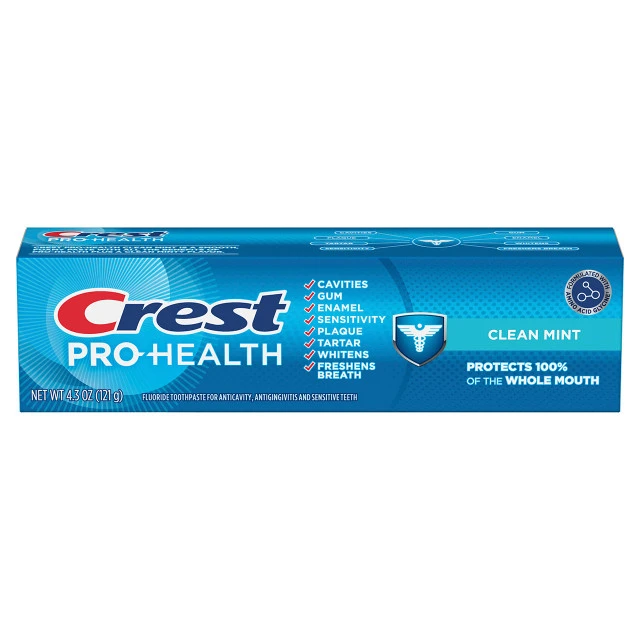
- Protect your mouth with Crest: Make sure to brush twice a day with a stannous fluoride toothpaste like Crest Pro-Health Advanced Deep Clean Toothpaste. Crest toothpaste formulated with stannous fluoride fights cavities and tooth decay, strengthens enamel, fights sensitivity, and provides lasting protection against plaque buildup with twice-daily brushing.
- Rinse with Crest Pro-Health Complete Clean Mouthwash: Swish with this alcohol-free, antibacterial mouthwash to help rinse away leftover plaque, support gum health, and leave your mouth feeling clean and fresh.
- Brush 2x/day with an Oral-B iO Electric Toothbrush: An Oral-B iO electric toothbrush helps remove 100% more plaque than a regular manual toothbrush. The dentist-inspired round brush head surrounds each tooth as it adapts to the curves of teeth and gums to ensure a cleaner, healthier smile—even in hard-to-reach areas.
- Use String Floss: Flossing once a day removes plaque and trapped food between teeth. Adding flossing to your routine can help remove remaining particles and plaque from hard‑to-reach areas, giving you an extra layer of protection and promoting healthier gums.
TABLE OF CONTENTS
TABLE OF CONTENTS

FAQs

Are dental implants safe?
Yes. Dental implants are generally considered safe and predictable, with a high success rate. They are widely used as a reliable option for replacing missing teeth. However, as with any surgery, there are potential risks and complications. Discuss your medical history and any concerns with your dentist or oral surgeon.
How long do dental implants last?
With proper care, dental implants can last for many years and may even be permanent. The titanium implant post placed in the jawbone is designed as a long-term or lifetime solution. The attached crown or other restoration, which serves as the visible replacement tooth, typically needs replacement after 10–15 years due to normal wear and tear.
Does insurance cover dental implants?
Some dental insurance plans provide partial coverage for dental implants, but it’s not guaranteed. Implants are usually classified as a major dental service, and coverage can range from minimal to significant depending on your plan, its benefit limits, and whether the procedure is considered medically necessary or cosmetic. Always review your specific policy and consult your insurer or dental office to understand your benefits.
Sources
- https://my.clevelandclinic.org/health/treatments/10903-dental-implants
- https://www.fda.gov/medical-devices/dental-devices/dental-implants-what-you-should-know
- https://www.mayoclinic.org/tests-procedures/dental-implant-surgery/about/pac-20384622
- https://www.webmd.com/oral-health/dental-implants
- https://my.clevelandclinic.org/health/treatments/16914-oral-hygiene
- https://www.dentalhealth.org/Pages/Category/treatments
- https://www.deltadental.com/us/en/protect-my-smile/procedures.html
- https://www.nhs.uk/live-well/healthy-teeth-and-gums/dental-treatments/
- Klukowska, M., et al. (2025). Clinical effects of stannous fluoride dentifrice on peri-implant mucositis, plaque microbiome, and oxidative stress. American Journal of Dentistry, 38(2), 59–66.
- Lambert T. J. (2022). A Home Care Regimen With Oral-B iO Toothbrush and Targeted Clean Brush Head to Reduce Peri-Implant Mucositis. Compendium of Continuing Education in Dentistry (Jamesburg, N.J. : 1995), 43(3), f5–fE13.
- Grender, J., et al. (2020). An 8-week randomized controlled trial comparing the effect of a novel oscillating-rotating toothbrush versus a manual toothbrush on plaque and gingivitis. International Dental Journal, 70, S7–S15. https://doi.org/10.1111/idj.12571
- Mankodi, S., et al. (2005). A 6-month clinical trial to study the effects of a cetylpyridinium chloride mouthrinse on gingivitis and plaque. American Journal of Dentistry, 18 Spec No, 9A–14A.
- Terézhalmy, G. T., et al. (2008). Plaque-removal efficacy of four types of dental floss. Journal of Periodontology, 79(2), 245–251. https://doi.org/10.1902/jop.2008.070345