

Bad breath From Gut
Bad Breath From Stomach (Gut): Causes and Treatment

Have you ever wondered if your persistent bad breath isn't just about your mouth, but something deeper? You're not alone. Many people grapple with halitosis, often overlooking a crucial connection: the intricate relationship between gut health and bad breath. It's a link that goes beyond brushing and flossing, often leading to stomach issues as the underlying cause.
This comprehensive guide will explore the specific mechanisms that lead to bad breath and clear up some common misconceptions. You'll discover practical solutions, probiotics natural remedies, and other oral health tips to help you understand how to fix bad breath that may originate in your gut.


The Hidden Truth: How Your Gut Microbiome Influences Bad Breath

Beyond the Mouth: The Systemic Nature of Halitosis

Decoding the Gut Microbiome: A World Within You
Stomach Issues, Gut Dysbiosis, and Bad Breath: The Direct Connection
Volatile Sulfur Compounds (VSCs): The Odor Culprits
Common Gut Conditions That Trigger Bad Breath
- Small Intestinal Bacterial Overgrowth (SIBO): Trapped Toxins a. SIBO occurs when there's an excessive amount of bacteria, particularly types typically found in the large intestine, migrating into and colonizing the small intestine. These bacteria ferment carbohydrates, leading to symptoms like bloating, gas, and abdominal pain. Critically, these overgrown bacteria also produce high levels of VSCs and other malodorous gases. These gases can enter the bloodstream and be exhaled. When SIBO is diagnosed, targeted treatment, often involving antibiotics and dietary changes, is crucial.
- H. pylori Infection: A Gastric Invader's Odor a. Helicobacter pylori (H. pylori) is a bacterium that can infect the stomach lining, causing ulcers, gastritis, and even increase the risk of stomach cancer. While primarily known for gastric symptoms, H. pylori has also been linked to halitosis. This bacterium can produce compounds like hydrogen sulfide and methyl mercaptan directly in the stomach. Treatment typically involves antibiotic therapy to eradicate the infection, often leading to a significant improvement in breath odor.
- Other Digestive Woes: GERD and Leaky Gut a. Beyond SIBO and H. pylori, other digestive disorders can contribute to bad breath. Gastroesophageal Reflux Disease (GERD), or acid reflux, can cause stomach contents, including partially digested food and gases, to back up into the esophagus and mouth. However, GERD-related bad breath isn't solely about acidic smells; it's often exacerbated by bacterial overgrowth in the esophagus due to reduced acid-killing effects or trapped food particles. Similarly, "leaky gut" (increased intestinal permeability) can allow undigested food particles and bacterial toxins to pass into the bloodstream, potentially leading to systemic inflammation and indirect contributions to malodor.
Dietary Interventions: Eating Your Way to Better Breath and Gut Health

-
Prebiotic and Probiotic-Rich Foods: Your Gut's Best Friends
- To foster a healthy gut, focus on a diet rich in prebiotics and probiotics. Prebiotics are non-digestible fibers that feed beneficial gut bacteria. Excellent sources include garlic, onions, leeks, asparagus, bananas, and oats. Probiotic-rich foods introduce live beneficial bacteria directly into your gut. Think fermented foods like: i. plain yogurt (sugar free - with live active cultures) ii. Kefir iii. Sauerkraut iv. Kimchi v. Miso vi. Tempeh
- Incorporating these into your daily routine helps to crowd out odor-producing bacteria and re-establish a healthy microbial balance. Conversely, some foods such as excessive sugar, processed foods, and artificial sweeteners can fuel detrimental bacteria.
-
Hydration and Fiber: Essential for Digestion
- Adequate hydration is vital for overall digestion and detoxification. Water helps to flush out toxins and keeps the digestive system moving efficiently, preventing stagnation that can lead to bacterial overgrowth. Fiber, both soluble and insoluble, is crucial for regular bowel movements and maintaining a healthy gut environment. Aim for plenty of fruits, vegetables, whole grains, and legumes to ensure sufficient fiber intake.
Probiotics for Bad Breath: Can They Really Help?
Holistic Approaches: Beyond Diet and Supplements
- Stress Management and Sleep: Gut-Brain Connection a. The gut-brain axis demonstrates that stress and poor sleep can negatively impact gut health. Implementing stress-reduction techniques like meditation, yoga, or deep breathing, and prioritizing 7-9 hours of quality sleep, can significantly support gut balance.
- Targeted Natural Remedies: Herbal Support a. Herbal teas like peppermint or fennel can aid digestion and offer temporary breath-freshening effects. Aloe vera juice is known for its soothing properties for the digestive tract. Chlorophyll, often available as a supplement, is a natural deodorizer that can help neutralize odors from the inside out. Remember, these remedies are supportive and should be used in conjunction with addressing the root cause of bad breath.
Beyond the Gut: Other Common Causes and When to Seek Professional Help

Systemic Health Conditions: Diabetes, Kidney Disease
Keeping your breath fresh with Crest & Oral-B
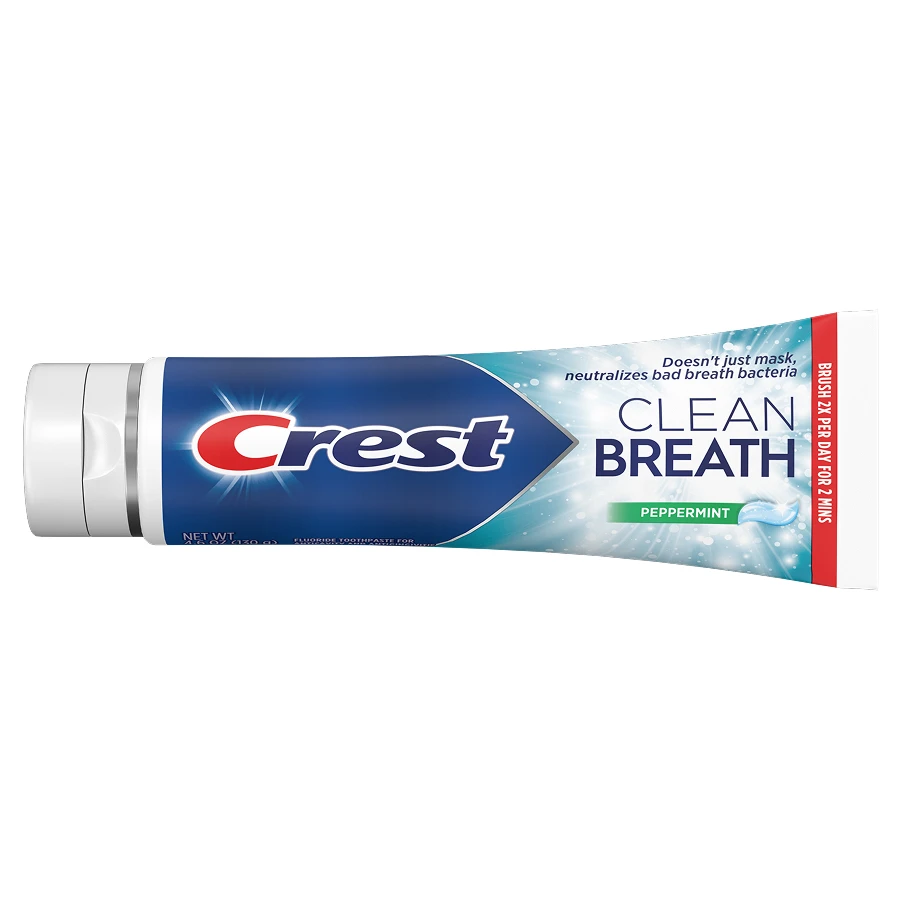
- Start your routine with Crest Clean Breath Toothpaste. This stannous fluoride formula works around the clock, actively preventing cavities and fighting the bacteria that cause bad breath so you enjoy a long-lasting, fresh, and clean feeling.
- Elevate your freshness with a mouthwash. These are essential for reducing odor-causing bacteria and neutralizing Volatile Sulfur Compounds (VSCs) – the main culprits behind bad breath. Reach for Crest Mouthwash not just for superior cavity and tartar protection, but to complete your routine with an invigorating, long-lasting clean and fresh feeling.
- The Oral-B iO electric toothbrush, for instance, removes significantly more plaque than a manual brush, attacking the root cause of tooth decay, gum disease and bad breath. Experience a truly deep clean that leaves your smile feeling remarkably fresh and vibrant.
- Oral-B iO Ultimate Clean brush head is engineered with unique bristle lengths to reach deep into the hidden spaces between your teeth, dislodging stubborn plaque and the odor-causing bacteria that love to hide there. This ultimate clean is key to a perpetually fresh and healthy smile.
- Complete your oral care ritual by flossing at least once daily with Oral-B floss. Flossing is crucial for reaching the tight spaces where food particles and plaque accumulate. By meticulously removing these odor sources, you ensure every surface of your teeth is clean, contributing to an undeniable fresh and clean smile.


Does bad gut health cause bad breath always?
Can probiotics cure bad breath completely, or just help manage it?
What are the symptoms of bad gut health and bad breath I should look out for?
References
- Melis, M., & Sechi, L. A. (2018). Halitosis and Oral Microbiota: A New Frontier for Probiotics*. Frontiers in Microbiology, 9, 3037.
- Zsiska, M., et al. (2021). Investigation of oral malodor prevention by dentifrices as measured by VSC reduction. Journal of Breath Research, 15(3). https://doi.org/10.1088/1752-7163/abf209
- Grender, J., et al. (2020). An 8-week randomized controlled trial comparing the effect of a novel oscillating-rotating toothbrush versus a manual toothbrush on plaque and gingivitis. International Dental Journal, 70, S7–S15. https://doi.org/10.1111/idj.12571
- Tanda, M., et al. (2018). Role of Helicobacter pylori in Halitosis. Current Oral Health Reports, 5, 237–241.
- Bures, T., et al. (2010). Small intestinal bacterial overgrowth syndrome. World Journal of Gastroenterology, 16(24), 2978–2990.
- Peres, P., et al. (2020).The Role of Diet in the Modulation of Human Gut Microbiota and Halitosis*. Journal of Clinical Periodontology, 47(Suppl 22), 17-25.