

CHRONIC ILLNESS
Chronic Illness & Oral Health: What Your Breath Can Tell You

Have you ever noticed your breath smells bad, even when you brush and floss regularly? Sometimes, bad breath isn’t just about what you eat or your oral hygiene, it can be a sign of something happening elsewhere in your body. Health conditions like diabetes, liver problems, sinus infections, and digestive issues can all affect your breath. This guide will help you understand why, what to look out for, and what you can do to help keep your mouth healthy and your breath fresh.


How Your Health and Your Mouth Are Connected
Common Health Conditions That Affect Breath

How to Manage Bad Breath Linked to Health Issues
Everyday Tips for Fresher Breath

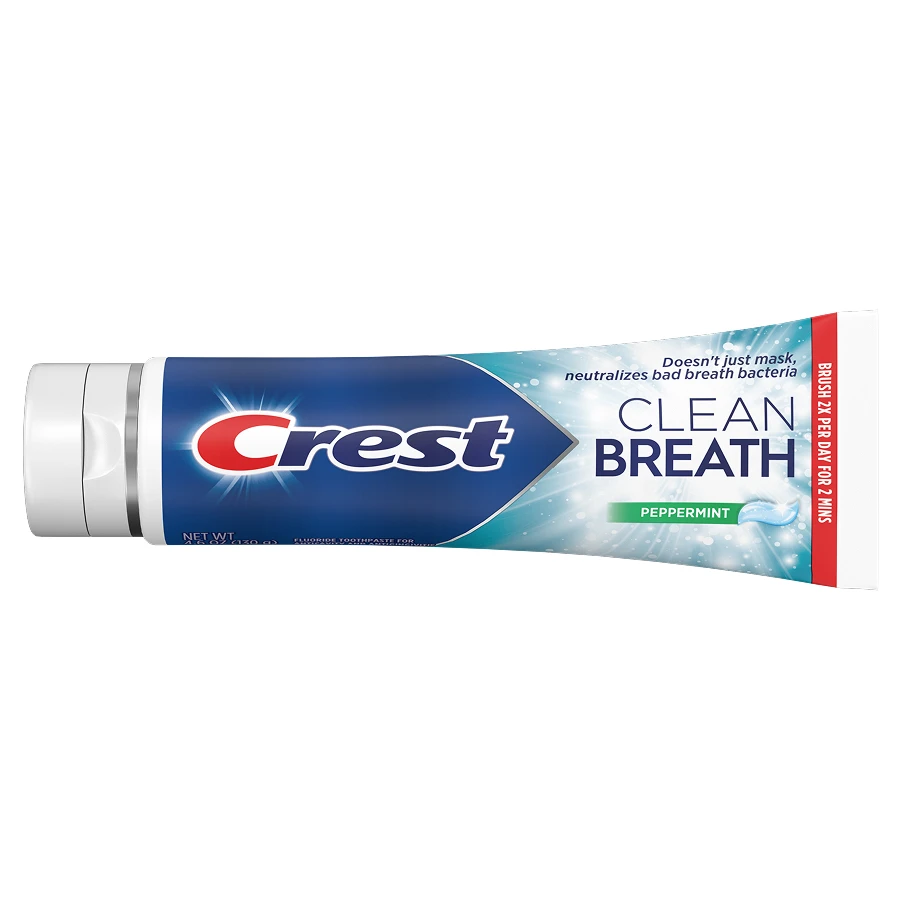
- Stay Fresh with Stannous Fluoride Toothpaste: Toothpastes formulated with stannous fluoride, like Crest Clean Breath Toothpaste protect your smile from plaque buildup, tooth decay, and gum disease, and fight the common culprits that contribute to bad breath. The clinically proven formula doesn’t just mask odor, it neutralizes the bacteria that cause it for long-lasting freshness.
- Swish with an Alcohol-Free, Antimicrobial Mouthwash: Round out your daily routine with a rinse specifically designed to leave your breath feeling refreshed and odor-free. Crest Pro-Health Multi-Protection Mouthwash leaves your smile fresh, clean, and more protected.
- Brush 2X/day with an Electric Toothbrush: Not all toothbrushes are created equal. Electric toothbrushes like the Oral-B iO Series deliver a more thorough clean by removing 100% more plaque than a manual toothbrush. That’s less of the gunk that can potentially leave you with not-so-fresh breath and more of the confidence that a healthy, bright smile delivers.
- Dental floss, used daily, helps to keep your mouth clean in between teeth as part of a comprehensive dental plan. Select a floss that can fit more easily into tight spaces, such as Glide Floss.
- Be Mindful of Diet: Limit sugary drinks and strong-smelling foods if you’re sensitive.
- Maintain Healthy Activities: Avoid tobacco and cut back on alcohol.
Summary


Can medications for chronic illnesses cause bad breath?
Is dry mouth always a sign of illness?
How often should someone with diabetes see the dentist?
What helps with post-nasal drip breath besides brushing and flossing?
Can probiotics help with digestive-related bad breath?
References
- American Dental Association. Halitosis (Bad Breath).
- Mayo Clinic. Bad Breath (Halitosis).
- National Institute of Diabetes and Digestive and Kidney Diseases. Diabetes and Oral Health.
- Cleveland Clinic. Liver Disease.
- WebMD. Oral Hygiene: Brushing, Flossing, and More.
Sources
- American Dental Association (ADA). (n.d.). Halitosis (Bad Breath). Retrieved from https://www.mouthhealthy.org/en/az-topics/h/halitosis (General information on bad breath)
- Mayo Clinic. (2022). Bad breath (halitosis). Retrieved from https://www.mayoclinic.org/diseases-conditions/bad-breath/symptoms-causes/syc-20350920 (Causes of bad breath, including medical conditions)
- National Institute of Diabetes and Digestive and Kidney Diseases (NIDDK). (2021). Diabetes and Oral Health. Retrieved from https://www.niddk.nih.gov/health-information/diabetes/overview/preventing-problems/dental-diseases (Diabetes-specific oral health concerns)
- Cleveland Clinic. (2022). Liver Disease. Retrieved from https://my.clevelandclinic.org/health/diseases/17495-liver-disease (Information on liver disease and symptoms like fetor hepaticus)
- WebMD. (2023). Oral Hygiene: Brushing, Flossing, and More. Retrieved from https://www.webmd.com/oral-health/dental-health-oral-hygiene (Tips for effective morning oral routine for fresh breath)
- Cheng, R., et al. (2014). Breath and plaque prevention with cetylpyridinium chloride rinses: clinical meta-analysis. Journal of Dental Research, 93, 573.
- Grender, J., et al. (2020). An 8-week randomized controlled trial comparing the effect of a novel oscillating-rotating toothbrush versus a manual toothbrush on plaque and gingivitis. International Dental Journal, 70, S7–S15. https://doi.org/10.1111/idj.12571
- Zsiska, M., et al. (2021). Investigation of oral malodor prevention by dentifrices as measured by VSC reduction. Journal of breath research, 15(3), https://doi.org/10.1088/1752-7163/abf209