
DRY MOUTH
Dry Mouth and Bad Breath: Causes, Treatments, and Effective Remedies

This blog has been reviewed and approved by Dr. Stephanie Gans.
Discover the main causes of dry mouth and bad breath, and what you can do to relieve symptoms and improve the health of your smile at Crest.com.
KEY TAKEAWAYS
TABLE OF CONTENTS
TABLE OF CONTENTS
Understanding Dry Mouth: The Silent Oral Threat
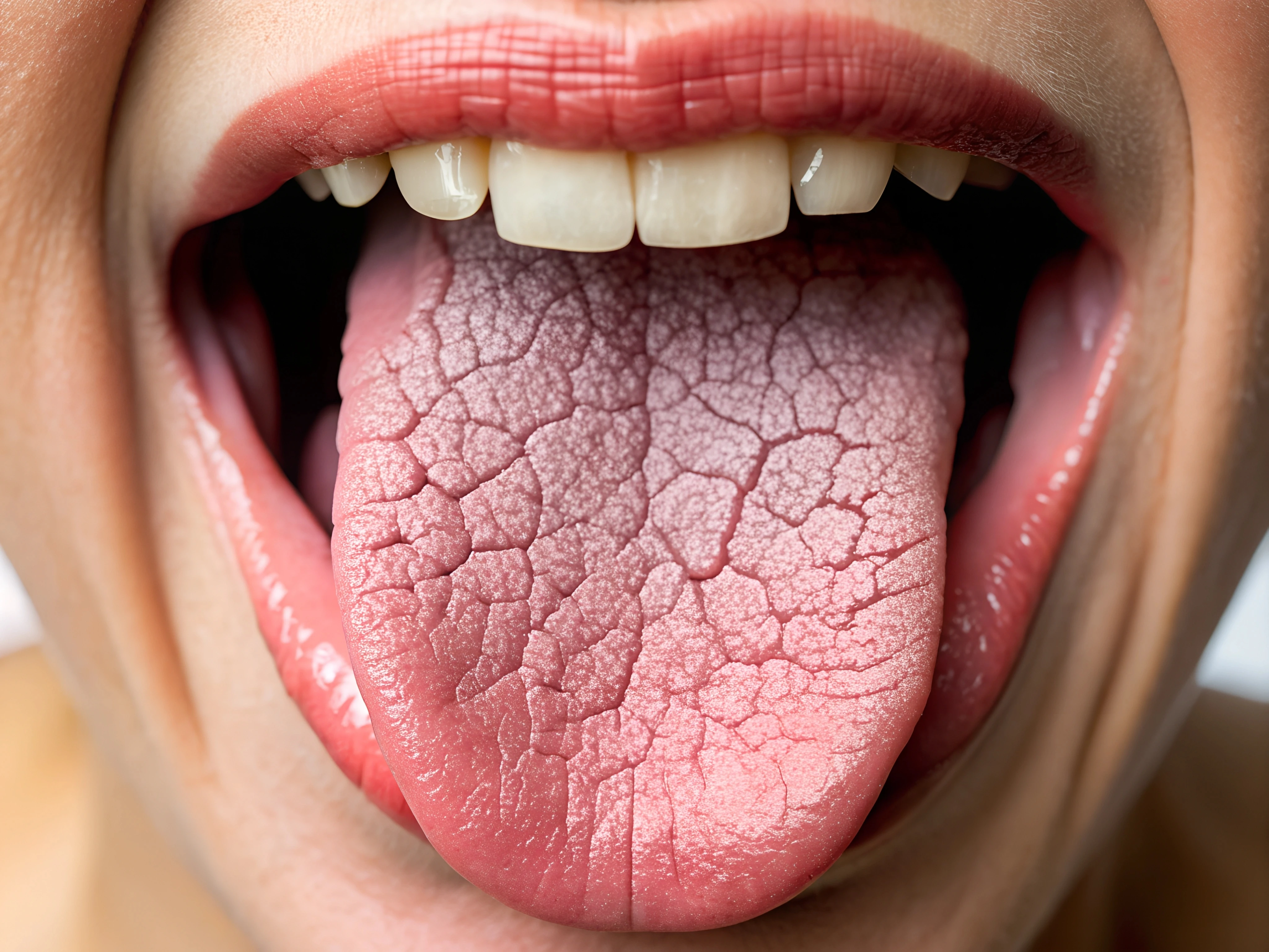
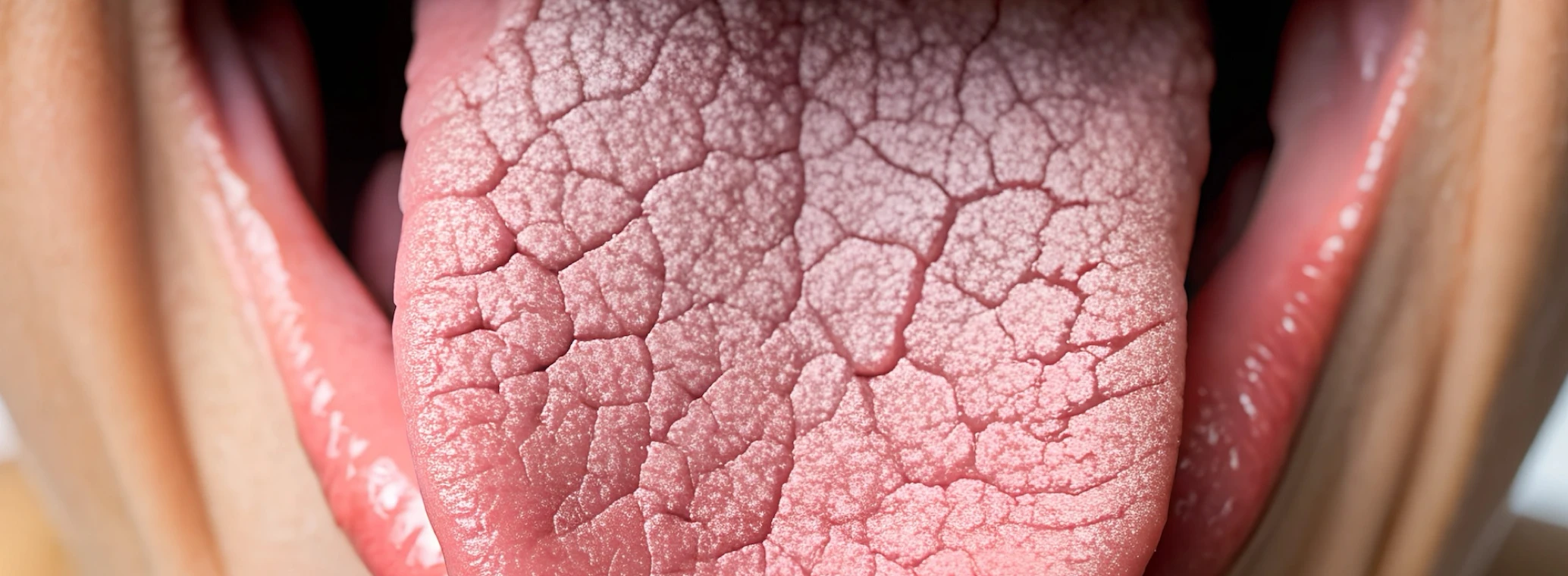
If your mouth feels dry all the time, it’s not just about being thirsty. You might have xerostomia, also known as dry mouth. Saliva does a lot for you, so when you’re running low, you might notice your mouth feels sticky, it’s tough to talk or swallow, or you get a burning feeling. Dry mouth can also lead to other oral health issues including tooth decay and a less-than pleasant mouth odor.
What is Xerostomia?
Xerostomia, or dry mouth, occurs when salivary glands don't produce enough saliva. Saliva is vital: it cleanses, lubricates, and protects. When flow diminishes, discomfort arises—a cotton ball-like feeling in the mouth, difficulty speaking or swallowing, and often, a burning sensation. This persistent dryness isn't just uncomfortable; it provides plaque bacteria with more opportunity to build up which can wreak havoc on your smile, tartar-stained teeth, cavities, and a more obvious offender: bad breath.
Saliva's Crucial Role
Saliva is the mouth's natural guardian. It washes away food debris and bacteria, neutralizing acids that erode enamel, which in turn helps prevent cavities and tooth decay . Saliva also re-mineralizes teeth, aids digestion, and lubricates tissues for comfortable speech and swallowing. Without enough saliva, plaque bacteria can take over, and that’s when bad breath and other problems start.
The Link: Dry Mouth and Persistent Bad Breath
The connection between dry mouth and bad breath (halitosis) is direct. When saliva production drops, the mouth's natural ability to aid in cleansing takes a dive. Always opportunistic, odor-causing bacteria quickly makes use of the ideal conditions needed for it to flourish.
Bacterial Growth & VSCs
Less saliva means more bacteria, especially the kind that can impact your breath. These bacteria break down proteins from food particles and dead cells, releasing foul-smelling volatile sulfur compounds (VSCs)—the primary culprits behind bad breath.
Key Dry Mouth Symptoms
Dry mouth isn’t just about feeling thirsty. You might notice:
- Trouble swallowing or speaking
- Sore throat or hoarseness
- Cracked lips or a rough tongue
- Changes in taste or a metallic taste
- More cavities or gum problems
- Mouth infections like thrush
Pinpointing the Causes of Dry Mouth
Effective dry mouth treatment relies on identifying its root causes of dry mouth. Xerostomia is often a symptom, not a standalone disease, stemming from various factors that disrupt saliva production. Understanding what’s really behind that cotton-like, sticky mouthfeel can help alleviate those symptoms quicker with a more targeted solution.
Medications & Medical Conditions
A common cause is often a type of medication, hundreds of drugs list dry mouth as a side effect. Common culprits include:
- Antihistamines and decongestants
- Antidepressants and anxiolytics
- Diuretics and some blood pressure medications
- Pain medications
- Autoimmune diseases like Sjögren’s syndrome, lupus, or rheumatoid arthritis
- Diabetes
- Cancer treatments (radiation or chemo)
- Nerve damage

Discussing medication alternatives with your medical professional or managing underlying health issues is a vital step for a more effective dry mouth treatment.
Lifestyle & Nighttime Factors
Your habits matter, too:
- Not drinking enough water
- Smoking or drinking alcohol
- Breathing through your mouth, especially at night
- Drinking lots of caffeine
- Stress
Effective Dry Mouth Treatment & Remedies

Once you know the cause, you can start treating dry mouth and bad breath.
Professional Interventions
Your dentist or doctor can offer targeted dry mouth treatment options:
- Saliva Stimulants: Prescription medications like pilocarpine or cevimeline can stimulate saliva production if glands are still functional.
- Topical Fluoride: To counteract increased cavity risk, high-concentration fluoride treatments or prescription gels strengthen enamel.
- Antifungals: For oral thrush, a common dry mouth complication.
- Medication Review: Adjusting medications causing dryness, if possible.
- Dental Care: Regular check-ups and cleanings are essential to address dryness-related damage.
- Sip water often
- Chew sugar-free gum or suck on sugar-free candies
- Try saliva substitutes (sprays or gels)
- Use alcohol-free mouthwash made for dry mouth
- Use a humidifier at night
Fixing Dry Mouth Bad Breath: A Comprehensive Plan
Bad breath can keep anyone from putting their best foot forward. But a confident smile is a healthy smile. Get back to the best version of yourself with a holistic approach that focuses on what you put in your mouth, from oral care to your favorite treat.
Optimized Oral Hygiene
- Brush gently with a soft toothbrush and fluoride toothpaste
- Floss every day
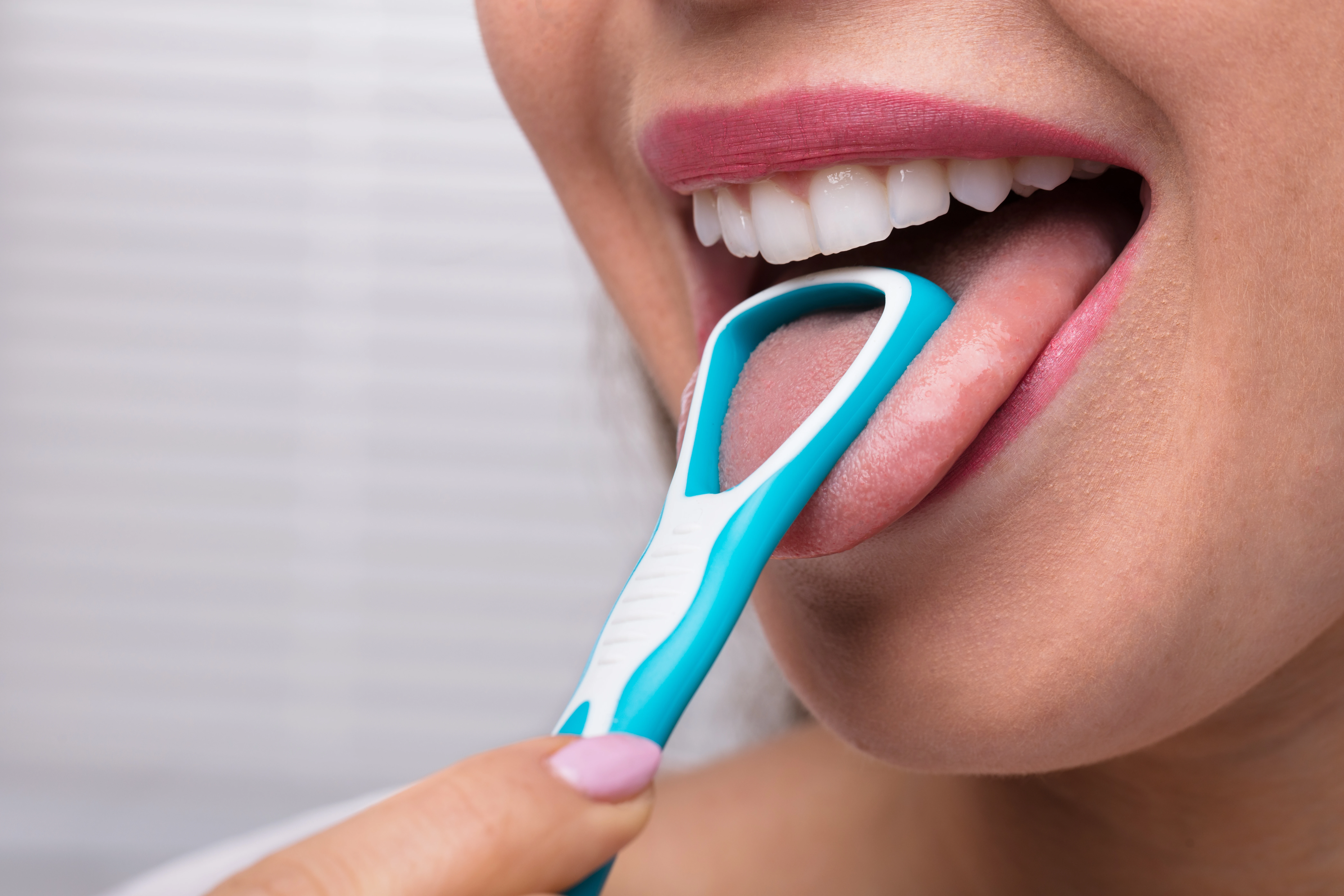
- Use a tongue scraper
- Visit your dentist regularly
- Moist Foods: Prioritize foods with high water content (fruits, vegetables, soups) for easier eating and hydration.
- Limit Irritants: Avoid dry, crunchy, sugary, or acidic foods and drinks, which can worsen dryness and decay risk.
- Chew Thoroughly: Slower chewing naturally stimulates saliva flow.
Beyond the Quick Fix: Long-Term Oral Hygiene for Lasting Comfort
Establishing a regular, effective oral care routine is essential for long-term relief from bad breath. The following steps support optimal oral health and comfort:
- Stay Fresh with Stannous Fluoride Toothpaste: Toothpastes formulated with stannous fluoride, like Crest Clean Breath Toothpaste protect your smile from plaque buildup, tooth decay, and gum disease, and fight the common culprits that contribute to bad breath. The clinically proven formula doesn’t just mask odor, it neutralizes the bacteria that cause it for long-lasting freshness.
- Swish with an Alcohol-Free, Antimicrobial Mouthwash: Round out your daily routine with a rinse specifically designed to leave your breath feeling refreshed and odor-free. Crest Pro-Health Multi-Protection Mouthwash leaves your smile fresh, clean, and more protected.
- Brush 2X/day with an Electric Toothbrush: Not all toothbrushes are created equal. Electric toothbrushes like the Oral-B iO Series deliver a more thorough clean by removing 100% more plaque than a manual toothbrush. Some models even feature a specialized tongue cleaning mode to better support a whole-mouth clean. That’s less of the gunk that can potentially leave you with not-so-fresh breath and more of the confidence that a healthy, bright smile delivers.
- Dental floss, used daily, helps to keep your mouth clean in between teeth as part of a comprehensive dental plan. Select a floss that can fit more easily into tight spaces, such as Glide Floss.
- Check-in for Check-ups: Visit your dental professional at least twice a year for a professional cleanings and early detection of any issues before they can become a larger problem.
TABLE OF CONTENTS
TABLE OF CONTENTS


Frequently Asked Questions (FAQs)

Can dry mouth truly cause severe bad breath?
Absolutely. Reduced saliva means less natural cleansing, allowing odor-producing bacteria to thrive and cause severe bad breath. Using a specific dry mouth mouthwash can help.
Are there specific dry mouth remedies I can try at home for immediate relief?
Yes. Sip water frequently, chew sugar-free gum with xylitol, suck on sugar-free candies, or use over-the-counter saliva substitutes for comfort.
If I have dry mouth at night, what can I do to prevent morning bad breath?
Use a humidifier and a specialized dry mouth mouthwash before bed. Addressing potential mouth breathing or sleep apnea with a doctor can also help reduce morning dry mouth.
What are the most common causes of dry mouth besides dehydration?
Many medications (e.g., antidepressants, antihistamines), autoimmune diseases like Sjögren's, diabetes, head/neck radiation, and lifestyle factors like smoking are frequent causes.
How important is water for managing dry mouth and bad breath?
Water is essential. Consistent sipping throughout the day lubricates the mouth, rinses bacteria, and provides relief, directly impacting dry mouth-related bad breath. It's a cornerstone of any dry mouth management plan.
Sources
- Mayo Clinic. (2023). Dry mouth. Retrieved from https://www.mayoclinic.org/diseases-conditions/dry-mouth/symptoms-causes/syc-20356046
- American Dental Association (ADA) - MouthHealthy. (n.d.). Halitosis (Bad Breath). Retrieved from https://www.mouthhealthy.org/all-topics-a-z/bad-breath
- National Institute of Dental and Craniofacial Research (NIDCR). (2019). Dry Mouth (Xerostomia). Retrieved from https://www.nidcr.nih.gov/health-information/dry-mouth
- Cleveland Clinic. (2023). Xerostomia (Dry Mouth). Retrieved from https://my.clevelandclinic.org/health/diseases/10313-xerostomia-dry-mouth
- Cheng, R., et al. (2014). Breath and plaque prevention with cetylpyridinium chloride rinses: clinical meta-analysis. Journal of Dental Research, 93, 573.
- Grender, J., et al. (2020). An 8-week randomized controlled trial comparing the effect of a novel oscillating-rotating toothbrush versus a manual toothbrush on plaque and gingivitis. International Dental Journal, 70, S7–S15. https://doi.org/10.1111/idj.12571
- Zsiska, M., et al. (2021). Investigation of oral malodor prevention by dentifrices as measured by VSC reduction. Journal of Breath Research, 15(3), 10.1088/1752-7163/abf209. https://doi.org/10.1088/1752-7163/abf209