
Other Conditions
Dry Mouth At Night: Causes, Effects, and Remedies

This blog has been reviewed and approved by Dr. Stephanie Gans
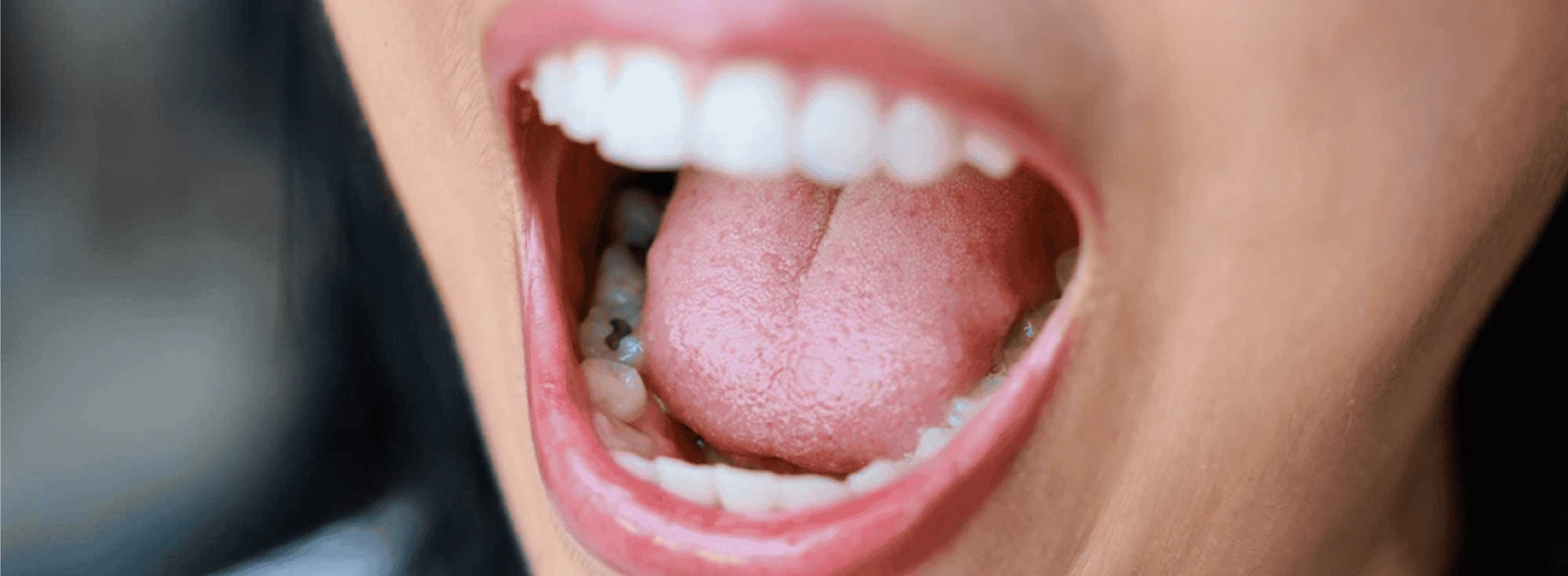
Waking with a parched, sticky mouth can be more than just an annoyance—it can interfere with your rest, compromise your oral health, and leave you feeling dehydrated throughout your day. This frequent condition, known as nocturnal dry mouth or xerostomia, often goes unnoticed until it becomes a persistent nightly problem. This article will delve into the causes of nighttime dry mouth, its potential consequences, and effective remedies to help you wake up revitalized and properly hydrated.
Key Takeaways
TABLE OF CONTENTS
TABLE OF CONTENTS
What Causes Dry Mouth at Night?
Dry mouth occurs when your salivary glands do not generate sufficient saliva to keep your mouth adequately moist. While daytime dry mouth is frequently linked to dehydration or medication side effects, nighttime dryness has its own distinct set of triggers:
-
Mouth Breathing During Sleep
- Breathing through your mouth instead of your nose while you sleep can rapidly dry out your mouth.
- This is especially common among individuals who snore or experience nasal congestion.
- Mouth breathing bypasses the natural humidification provided by nasal breathing, leading to increased dryness.
-
Medications
- Many over-the-counter and prescription drugs list dry mouth as a potential side effect.
- These include antihistamines, decongestants, antidepressants, blood pressure medications, and certain pain relievers.
- If you take medications at night, their drying effects may be more pronounced during sleep.
-
Dehydration
- Failing to drink enough water throughout the day can result in dehydration, which reduces saliva production.
- If you go to bed dehydrated, you are more likely to experience dry mouth upon waking.
-
Alcohol and Caffeine
- Both alcohol and caffeine function as diuretics.
- They increase urine output, potentially leading to dehydration.
- Consuming these substances, particularly in the evening, can intensify dry mouth symptoms overnight.
-
Health Conditions
- Certain health conditions can impact saliva production.
- Diabetes, stroke, Alzheimer's disease, and autoimmune disorders such as Sjögren's syndrome can cause chronic xerostomia.
- Radiation therapy for head and neck cancers can damage salivary glands, diminishing saliva output.
Effects of Dry Mouth at Night
While dry mouth might seem like a minor annoyance, it can have several negative consequences for your well-being:
-
Disrupted Sleep:
- Constantly waking to drink water can interrupt your sleep cycle, resulting in daytime fatigue.
-
Oral Health Issues:
- Saliva plays a vital role in neutralizing acids and washing away food particles and bacteria.
- Insufficient saliva heightens the risk of tooth decay, gum disease, and oral infections.
-
Difficulty Swallowing and Speaking:
- A dry mouth can make chewing, swallowing, or speaking uncomfortable, affecting daily activities and overall quality of life.
-
Bad Breath:
- Reduced saliva flow can lead to a buildup of bacteria in the mouth, causing halitosis (bad breath).
Remedies to Alleviate Dry Mouth at Night
Several strategies can be employed to reduce or prevent dry mouth during sleep:
-
Stay Hydrated
- Drink plenty of water throughout the day.
- Sip water regularly, especially in the evening.
- Avoid consuming large quantities right before bed to prevent frequent nighttime urination.
- Keep a glass of water nearby at night to sip if you wake up with a dry mouth.
-
Use a Humidifier
- Introducing moisture into the air with a humidifier can help prevent your mouth from drying out overnight.
- This is particularly beneficial if you sleep in a dry environment, during colder months, or if you have nasal congestion.
-
Practice Nasal Breathing
- If you typically breathe through your mouth while sleeping, try to retrain yourself to breathe through your nose to avoid dryness.
- Using nasal strips or a saline nasal spray before bed can help open nasal passages and encourage nasal breathing.
-
Adjust Your Sleep Position
- Sleeping on your side may help reduce snoring and promote nasal breathing for some individuals. Experimenting with your sleep position and using pillows to elevate your head can help encourage keeping your mouth closed during sleep.
-
Avoid Dehydrating Substances
- Limit your intake of alcohol, caffeine, and tobacco, especially in the hours leading up to bedtime.
- These substances can contribute to dehydration and intensify dry mouth symptoms.
-
Use Alcohol-Free Mouthwash
- Traditional mouthwashes often contain alcohol, which can further dry your mouth.
- Opt for alcohol-free mouthwashes specifically formulated for dry mouth relief.
- Chew Sugar-Free Gum or Lozenges
- Chewing sugar-free gum or sucking sugar-free lozenges can stimulate saliva production, offering temporary dry mouth relief.
- Look for products containing xylitol, which can also aid in preventing cavities.
- Try Saliva Substitutes
- Over-the-counter saliva substitutes can provide temporary relief.
- These are available in sprays, gels, and rinses.
-
Maintain Good Oral Hygiene
- Brush your teeth twice daily with fluoride toothpaste and floss daily to keep your mouth clean.
- Regular dental check-ups are crucial for monitoring and addressing any oral health issues.
When to Consult a Healthcare Professional
- If dry mouth persists despite implementing these remedies, consulting a healthcare professional is important.
- A persistent dry mouth can signal an underlying health condition that requires medical attention.
- A healthcare provider can help pinpoint the cause and recommend appropriate treatments for xerostomia.
Prevent Common Oral Health Issues for a Healthy Smile & Fresher Breath
By consistently following a comprehensive oral care routine, you can proactively address these problems for a stronger, healthier smile:
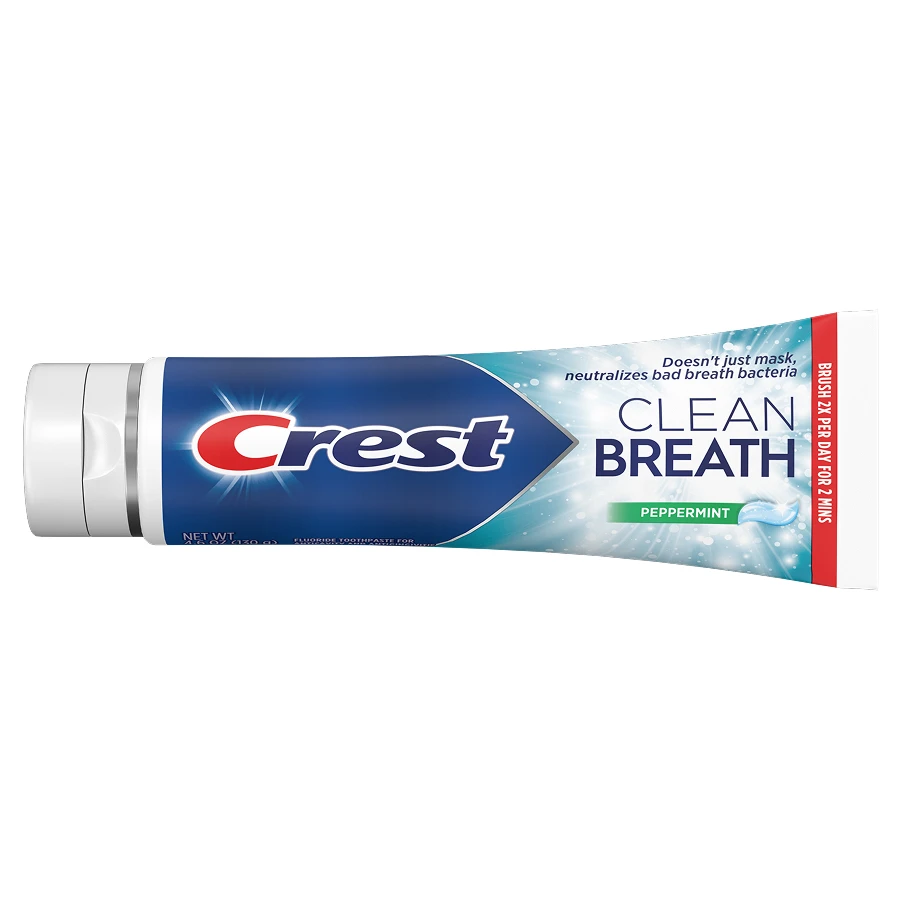
- Start your routine with Crest Clean Breath Toothpaste. This stannous fluoride formula works around the clock, actively preventing cavities and fighting the bacteria that cause bad breath so you enjoy a long-lasting, fresh, and clean feeling.
- Rinse with Crest Pro-Health Mouthwash: Swish with an antibacterial mouthwash like Crest Pro-Health Mouthwash to eradicate plaque bacteria, help deter new plaque formation, support gum health, and leave your mouth feeling thoroughly clean and refreshed.
- Brush 2X/day with an Oral-B iO Electric Toothbrush: An electric toothbrush, such as an Oral-B iO, helps eliminate up to 100% more plaque than a conventional manual toothbrush. Its dentist-inspired round brush head effectively surrounds each tooth, adapting to the contours of teeth and gums to ensure a cleaner, healthier smile even in hard-to-reach areas.
- Use Floss: Daily flossing assists in dislodging plaque and debris from between teeth. Incorporating flossing into your routine can help remove any lingering food particles and plaque buildup, offering an additional layer of protection.
Summary
Dry mouth, or xerostomia, occurs when your salivary glands fail to produce enough saliva to keep your mouth adequately moist. This condition can worsen at night when saliva production naturally declines. However, various other factors can contribute to an uncomfortable dry mouth that disturbs your sleep and affects your day. Mouth breathing, medications, dehydration, and certain health conditions all contribute to nighttime dry mouth. While often benign, persistent dry mouth can lead to several negative effects, including poor sleep quality and an elevated risk of dental problems like tooth decay, gum disease, and bad breath. You might also experience difficulty swallowing and speaking, along with mouth sores and infections. Fortunately, numerous remedies can help alleviate dry mouth. Staying hydrated, utilizing a humidifier, practicing nasal breathing, and chewing sugar-free gum or lozenges are beneficial strategies. If your dry mouth persists, consult a healthcare professional for evaluation and treatment recommendations.
TABLE OF CONTENTS
TABLE OF CONTENTS

Frequently Asked Questions (FAQs)

Can toothpaste cause dry mouth at night?
Toothpaste itself isn't typically the direct cause of dry mouth, but certain ingredients within it can contribute to the sensation. Specifically, sodium lauryl sulfate (SLS), a common foaming agent, can act as an irritant for some individuals and may contribute to a feeling of dryness. While alcohol is a well-known drying agent more frequently found in mouthwashes, some specialized toothpastes might contain ingredients like baking soda that can also feel drying to certain users. To combat dry mouth, consider using a toothpaste specifically formulated for dry mouth sufferers. These toothpastes are often created with ingredients that help soothe the mouth and may contain fluoride to assist in preventing cavities.
How can I prevent dry mouth at night?
To prevent dry mouth at night, ensure you stay hydrated throughout the day, use a humidifier in your bedroom, and consider utilizing saliva substitutes or products designed to stimulate saliva production. Endeavor to breathe through your nose as much as possible. Avoid caffeine, alcohol, and tobacco before bedtime, as these can exacerbate dry mouth.
Sources:
- https://my.clevelandclinic.org/health/diseases/10902-dry-mouth-xerostomia
- https://www.healthline.com/health/dry-mouth-remedies?
- https://www.healthline.com/health/dry-mouth-at-night
- https://www.mayoclinic.org/diseases-conditions/dry-mouth/symptoms-causes/syc-20356048?
- https://www.mayoclinic.org/diseases-conditions/dry-mouth/diagnosis-treatment/drc-20356052
- https://www.mayoclinic.org/diseases-conditions/dry-mouth/expert-answers/dry-mouth/faq-20058424
- https://www.nidcr.nih.gov/health-info/dry-mouth
- https://www.webmd.com/oral-health/dental-health-dry-mouth
- https://www.webmd.com/oral-health/sleep-apnea-dry-mouth-causes
- https://www.ada.org/resources/ada-library/oral-health-topics/home-care
- https://www.cdc.gov/oral-health/prevention/oral-health-tips-for-adults.html
- https://my.clevelandclinic.org/health/treatments/16914-oral-hygiene
- https://www.mayoclinic.org/healthy-lifestyle/adult-health/in-depth/dental/
- https://www.nidcr.nih.gov/health-info/oral-hygiene
- He, T., et al. (2022). Novel findings on anti-plaque effects of stannous fluoride. American Journal of Dentistry, 35(6), 297–307. https://pubmed.ncbi.nlm.nih.gov/36508185/
- Singh, M., et al. (2018). Safety and effectiveness of a two-step dentifrice/gel sequence with medication-associated hyposalivation: A randomized controlled trial in a vulnerable population. American Journal of Dentistry, 31(Sp Is A), 24A–28A. Link to: https://pubmed.ncbi.nlm.nih.gov/30106530/
- Papas, A., et al. (2007). Comparative efficacy of stabilized stannous fluoride/sodium hexametaphosphate dentifrice and sodium fluoride/triclosan/copolymer dentifrice for the prevention of periodontitis in xerostomic patients: a 2-year randomized clinical trial. Journal of Periodontology, 78(8), 1505–1514. https://doi.org/10.1902/jop.2007.060479
- West, N. X., et al. (2021). Bioavailable gluconate chelated stannous fluoride toothpaste meta-analyses: Effects on dentine hypersensitivity and enamel erosion. Journal of Dentistry, 105, 103566. https://doi.org/10.1016/j.jdent.2020.103566
- Zou, Y., et al. (2024). A meta-analysis comparing toothbrush technologies on gingivitis and plaque. International Dental Journal, 74(1), 146-156. https://doi.org/10.1016/j.identj.2023.06.009