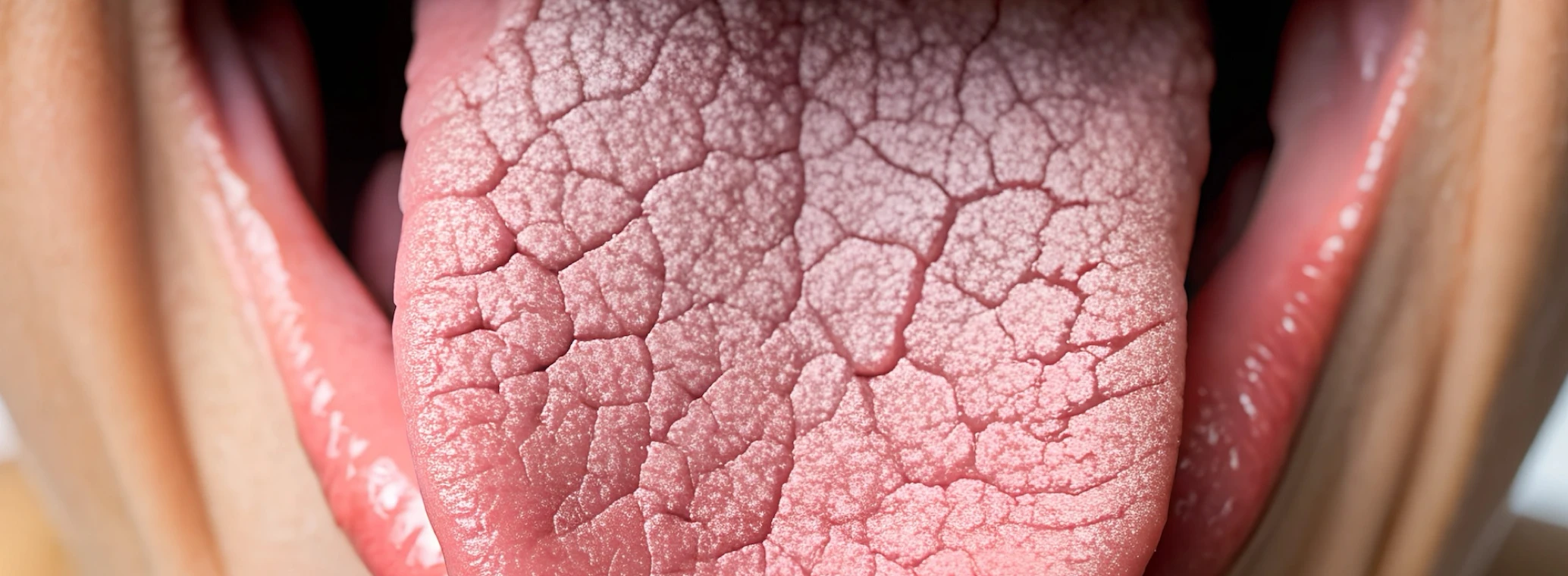
Zoomed-in image of a dry, pink, cracked tongue

DRY MOUTH

Dry Mouth (Xerostomia): Understanding Causes, Symptoms, and Effective Treatments

Dr. Stephanie Gans
This blog has been reviewed and approved by Dr. Stephanie Gans.

Executive Summary:
Do you often wake up with a parched, sticky sensation in your mouth? Do you find yourself constantly reaching for water to avoid dryness? Are you experiencing difficulties with swallowing, chewing food, or speaking clearly? These could all be indicators that you're experiencing dry mouth.

If you suspect you have chronic dry mouth, it's crucial not to dismiss these indicators. Left unaddressed, persistent dryness can significantly heighten your risk of developing tooth decay and other severe dental problems.

This article will delve into the various causes of dry mouth, identify its common symptoms, and explore both professional dry mouth treatments and practical at-home dry mouth remedies to help you manage the condition effectively.

KEY TAKEAWAYS
Plus Icon

What Is Dry Mouth?

Dry mouth, known scientifically as xerostomia, is a prevalent condition that arises when your mouth fails to produce adequate saliva. This lack of sufficient saliva production leads to the uncomfortable, dry sensation characterizing the condition. Without enough saliva, your teeth and gums become more vulnerable to a range of oral health complications.

Here are just a few vital functions that saliva performs to keep your mouth healthy and protected:

  • It lubricates and maintains moisture within your mouth.
  • It neutralizes acids produced by oral bacteria, which are major contributors to tooth decay.
  • It strengthens and repairs (remineralizes) tooth enamel.
  • It supports wound healing inside your mouth.
  • It assists with chewing, swallowing, and clear speech.
  • It offers protection against harmful bacteria, viruses, and fungi.
  • It aids in the initial breakdown of food particles.

Man at his desk with a blue Poka dot shirt placing his hand on his head

Dry Mouth Causes

Stress and Anxiety When you experience stress or anxiety, your body releases hormones like adrenaline and cortisol, priming it for a "fight-or-flight" response. These hormones can temporarily suppress non-essential bodily functions, including saliva production, which can result in dry mouth symptoms.

Prescription and Over-the-Counter Medications Medications are a significant factor contributing to dry mouth, often being one of the most common culprits. The Academy of General Dentistry reports that hundreds of widely used medications list dry mouth as a possible adverse effect. If you suddenly experience dry mouth symptoms, it might be linked to starting a new medication, such as an antidepressant, antihistamine, anti-inflammatory drug, or antihypertensive. Should your dry mouth be persistent and severe, it's advisable to speak with your physician.

Aging While dry mouth frequently affects older adults, aging itself isn't considered a direct cause. Instead, elderly individuals are simply more prone to developing health conditions and taking medications that can lead to dry mouth.

Snoring and Mouth Breathing Habitual snoring during sleep or breathing through your mouth during the day can also create sensations akin to dry mouth. However, if these symptoms dissipate within an hour or so after waking or after you begin breathing through your nose, it's likely not xerostomia. Instead, the dryness is probably due to your mouth being open for an extended period.

Certain Health Conditions Conditions such as diabetes, HIV/AIDS, kidney disease, systemic lupus erythematosus, Parkinson’s disease, and cancer anywhere in the body can also lead to chronic dry mouth. Some individuals contend with Sjogren’s Syndrome, an autoimmune disorder characterized by extreme dryness in both the eyes and mouth. This syndrome most frequently impacts adults over 40 and is considerably more common in women, though it can manifest at any age. The precise origin remains elusive, but for anyone diagnosed with Sjogren’s, diligently managing dry mouth is exceptionally important. Even those with a lifelong history of excellent dental hygiene can develop significant tooth decay simply due to the severe lack of saliva associated with this condition.

Tobacco, Alcohol, and Drug Use The chemical compounds found in tobacco and alcohol can temporarily dehydrate your mouth, leading to xerostomia symptoms. Certain psychoactive substances, including methamphetamines and marijuana, can impede your body’s natural saliva production, triggering dry mouth. The dry mouth induced by these substances is a form of xerostomia and can precipitate similar negative oral health consequences, such as tooth decay, gum disease, mouth sores, and thrush. Regardless of the cause, discuss your experiences with your doctor.

Nerve Damage Specific types of head or neck injuries can harm the nerves responsible for stimulating the salivary glands to produce saliva, resulting in dry mouth. With these dry mouth causes in mind, let’s now examine the dry mouth symptoms you might encounter.
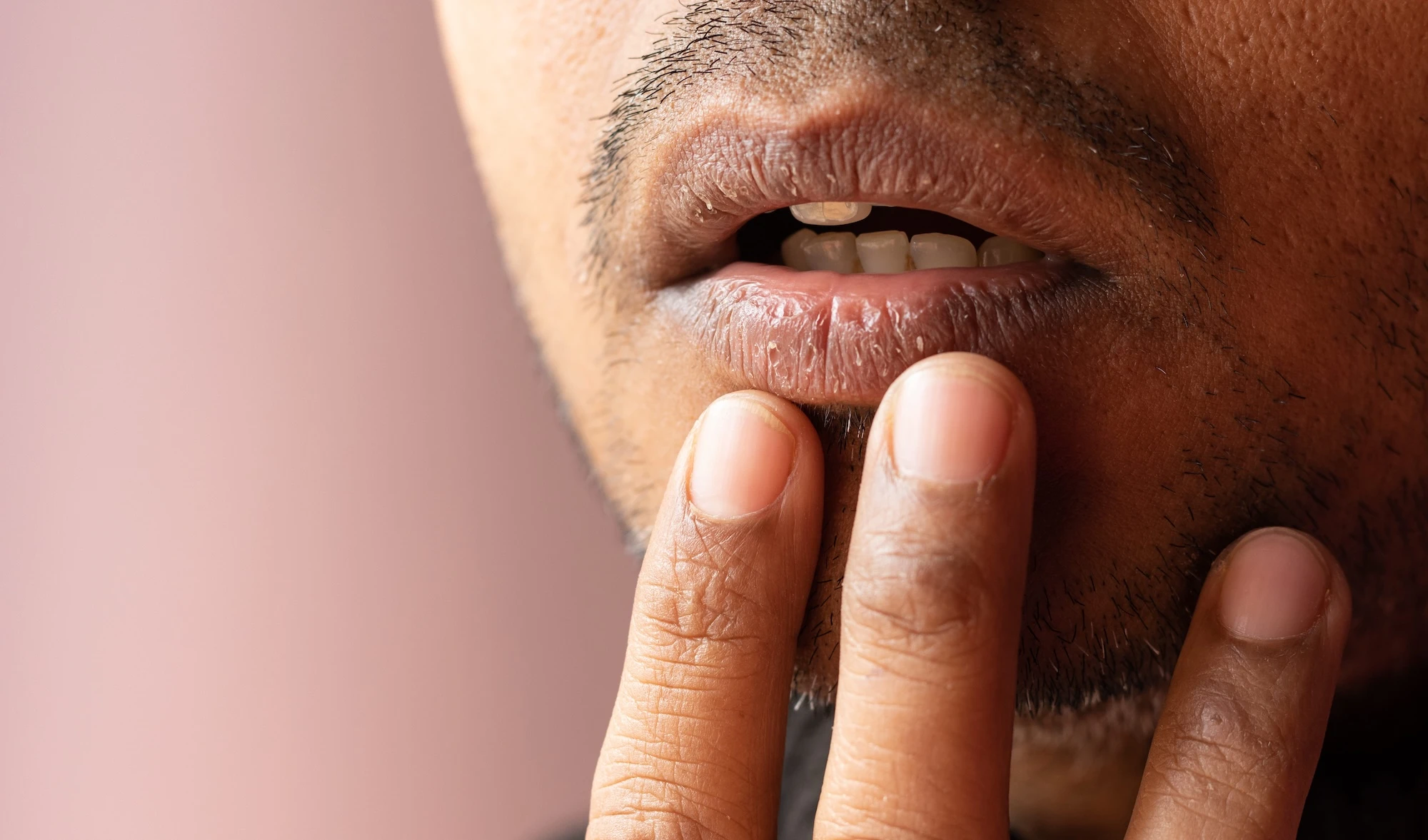
Man touching his chin and dry bottom lip

Dry Mouth Symptoms

The manifestations of dry mouth can sometimes resemble other temporary issues, but if your symptoms persist after other problems are resolved, you might indeed have xerostomia.

Be vigilant for the following indicators:

  • A dry, sticky feeling inside your mouth.
  • A burning sensation within your mouth.
  • Difficulty with chewing and swallowing food.
  • Discomfort or pain while speaking.
  • Dryness of the lips and throat.
  • Mouth sores that endure for weeks or months.

If you suspect you are experiencing xerostomia, continue reading for accessible at-home remedies and professional dry mouth treatments.

Dry Mouth Remedies

Dry Mouth Treatments At-Home Remedies Fortunately, several home remedies can offer temporary relief from dry mouth symptoms, including:

  • Using an oral rinse for dry mouth.
  • Avoiding beverages high in sugar.
  • Sipping water consistently throughout the day.
  • Chewing sugarless gum.
  • Sucking on ice cubes or sugar-free hard candies.
  • Refraining from smoking and using chewing tobacco.
  • Limiting your alcohol intake.
  • Utilizing a cool-mist humidifier in your home.
  • Discussing medication timing adjustments with your doctor.

While these remedies can help alleviate your dry mouth symptoms, none directly address the underlying medical issue. If you've tried some or all of these approaches and your dry mouth symptoms frequently return, it’s essential to consult your dentist or medical doctor promptly.

Professional Treatments Professional interventions for xerostomia include:

  • Prescription-strength dry mouth lozenges.
  • Medications that stimulate saliva production.
  • Surgical repair of salivary glands in specific cases.

Consult your dentist or general practitioner to determine if these dry mouth treatments are suitable for your condition.

Get a Healthier Smile with Crest

Prevent tooth decay, gum disease, and other dental problems by adhering to an excellent oral hygiene regimen that involves brushing twice daily, flossing once daily, and rinsing with an antibacterial mouthwash. The right oral care products can significantly contribute to preventing various dental issues.

Crest Toothpastes formulated with stannous fluoride, like Crest Clean Breath Toothpaste  protect your smile from plaque buildup, tooth decay, and gum disease, and fight the common culprits that contribute to bad breath. The clinically proven formula doesn’t just mask odor, it neutralizes the bacteria that cause it for long-lasting freshness.

Oral-B Dry Mouth Rinse is scientifically developed to provide immediate, long-lasting dry mouth relief. It contains no added alcohol, artificial dyes, parabens, gluten, or sodium lauryl sulfate (SLS).

The Oral-B iO Series combines powerful yet gentle micro-vibrations with Crest's distinctive dentist-inspired round brush head, delivering a professional clean feeling every day. It is clinically proven to remove up to 100% more plaque than a regular manual toothbrush.
Frequently Asked Questions (FAQs)

Sources