
Fresh Breath
Understanding How Bad Breath Bacteria Works

This blog has been reviewed and approved by Dr. Stephanie Gans.
Bad breath is primarily caused by anaerobic bacteria in the mouth that produce foul smelling volatile sulfur compounds as they break down proteins. Factors like plaque buildup, dry mouth, tongue debris, and gum disease allow these bacteria to thrive and intensify odors. Maintaining strong oral hygiene, using effective paste, rinses, and supporting a balanced oral microbiome are key to achieving long lasting fresh breath.
Quick Takeaways
TABLE OF CONTENTS
TABLE OF CONTENTS
Understanding How Bad Breath Bacteria Work and Dentist-Recommended Strategies for Lasting Freshness
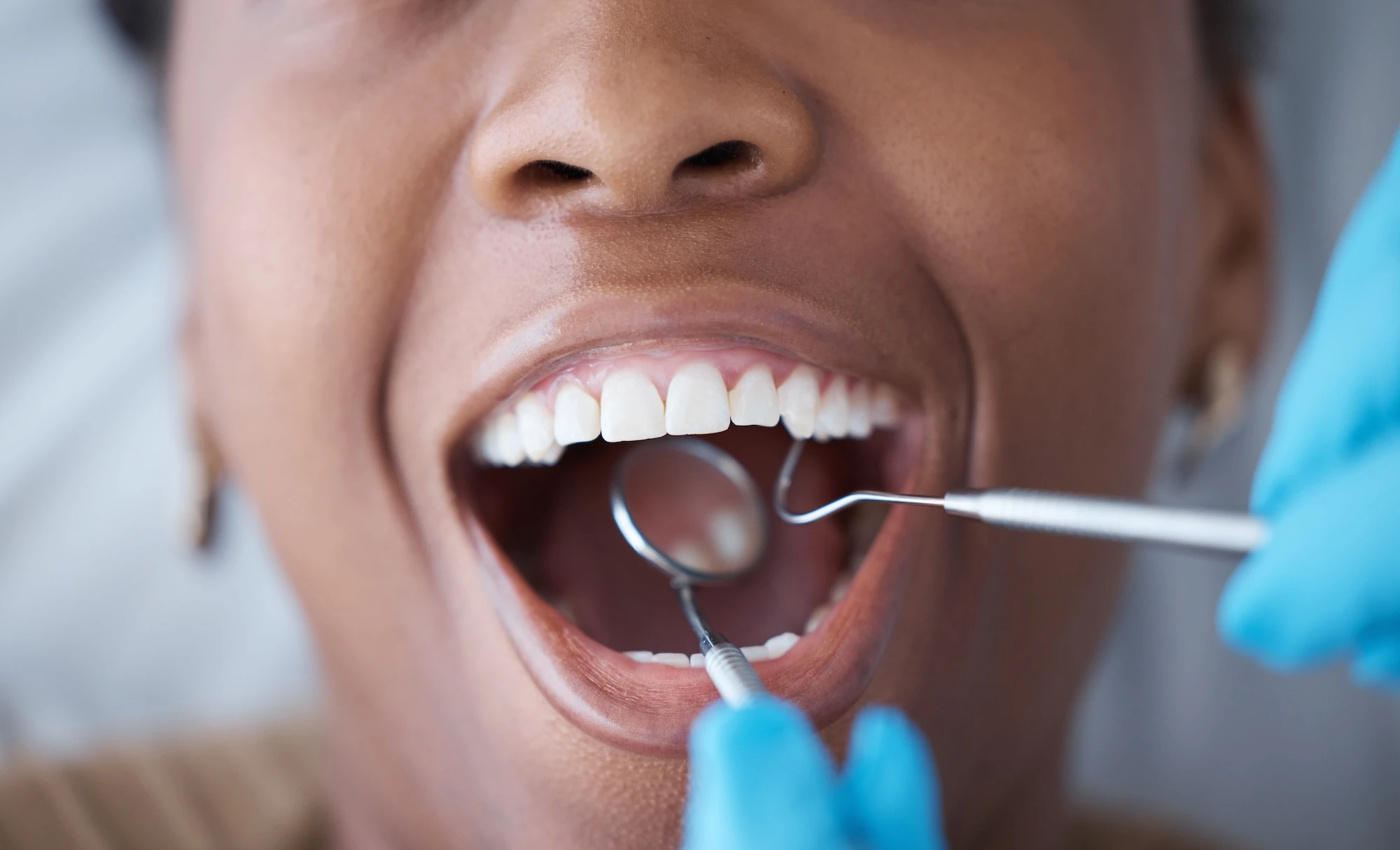
Bad breath, medically known as halitosis, affects millions, causing self-consciousness and social anxiety. While temporary fixes abound, the true causes of bad breath often lie in the microscopic world of your mouth, specifically the oral bacteria that thrive there. These tiny inhabitants can be the primary bad breath, generating unwelcome odors through their metabolic activities. This article will include dentist-recommended strategies and practical advice providing you with the knowledge for a truly fresh, confident smile.
The Microbial Culprits: What Oral Bacteria Types Are Responsible for Bad Breath?
The most common causes of bad breath stem from specific oral bacteria that thrive in the oxygen-deprived environments of your mouth. These are mainly anaerobic bacteria, which flourish in areas like the back of the tongue, between teeth, and below the gum line.
The Main Offenders: Anaerobic Bacteria and Volatile Sulfur Compounds (VSCs)

The foul smell of bad breath originates from the metabolic byproducts of these anaerobic bacteria. As they break down proteins from food debris, dead cells, and post-nasal drip, they release gaseous compounds known as Volatile Sulfur Compounds (VSCs). The most common VSCs are hydrogen sulfide (rotten eggs) and methyl mercaptan (feces-like odor).
Key odor-producing anaerobes include Porphyromonas gingivalis, Tannerella forsythia, Treponella denticola, and Fusobacterium nucleatum. These are not only VSC producers but are often linked to gum disease.
Bacterial Growth in Mouth: Why Some Thrive More Than Others
Bacterial growth in the mouth is significantly influenced by conditions like dry mouth (xerostomia) which may be caused by medications, medical conditions, or insufficient hydration. Saliva normally cleanses the mouth, so its absence allows odor-producing bacteria to proliferate. High-sugar diets also provide fuel for bacterial activity.
The tongue’s rough surface is a major reservoir for these bacteria, trapping debris and dead cells. This makes the tongue a prime location for bacteria to multiply, producing VSCs if not properly cleaned.
Plaque and Bad Breath: A Sticky Situation
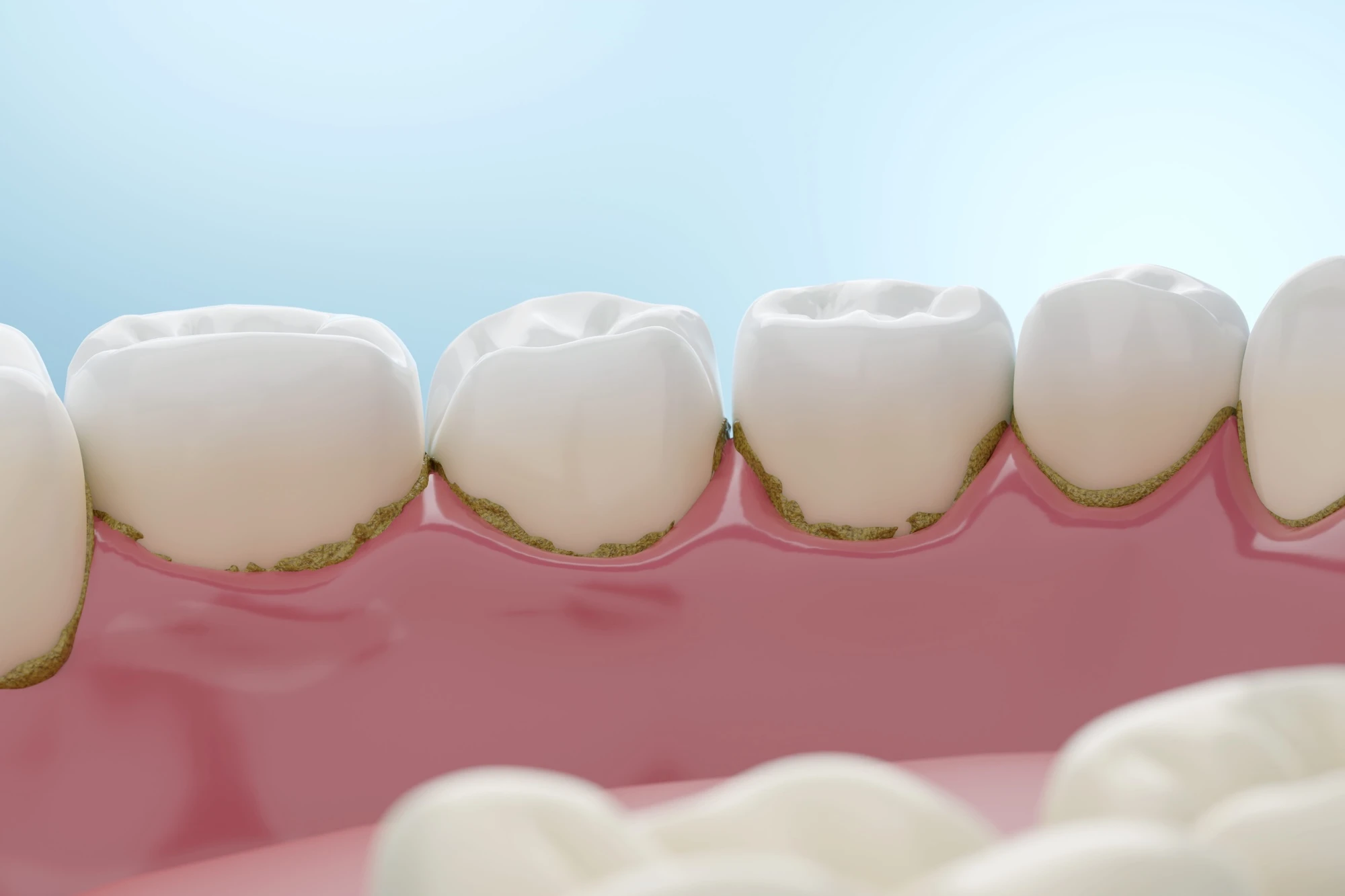
Plaque and bad breath are intrinsically linked through bacterial biofilms. Plaque is a sticky film where anaerobic bacteria thrive, especially along the gum line and in tooth crevices. This biofilm traps food particles, which feed the bacteria. The metabolic activity within this plaque generates concentrated VSCs.
Untreated plaque hardens into tartar, creating a stable habitat for bacteria. Plaque and tartar can lead to gingivitis and periodontitis, which form deeper pockets that become ideal anaerobic niches for the bad breath bacteria.
Beyond the Mouth: Other Sources of Malodor
While most halitosis originates in the mouth, other sources can contribute.
- Bad Breath from Stomach Bacteria? Separating Fact from Fiction a. Though rare, some chronic halitosis cases may stem from gastrointestinal issues, such as GERD or H. pylori infections. However, stomach bacteria is less common than oral causes, and dentists typically rule out oral factors first.
- Systemic Health Conditions Affecting Breath a. Conditions like diabetes (fruity breath from ketoacidosis), kidney failure (fishy breath), liver disease (musty breath), and respiratory infections can also alter breath odor.
The Foundation of Freshness: Superior Oral Hygiene
Dentist recommended strategies in combating bad breath bacteria requires a comprehensive approach to control and reduce their populations. The cornerstone of how to get rid of bad bacteria in the mouth is excellent daily oral hygiene. Here are a few recommendations:
- Brushing: Brush twice daily for two minutes with a stannous fluoride toothpaste. Electric toothbrushes are particularly effective at disrupting plaque biofilms.
- Flossing: Daily flossing removes food and plaque from between teeth, areas a toothbrush can't reach. An Oral-B water flosser can also dislodge debris effectively.
- Tongue Scraping: The tongue harbors significant odor-producing bacteria. Daily tongue scraping physically removes this bacterial film, reducing VSC production.
What Kills Bad Bacteria in Mouth? Effective Rinses and Treatments
While brushing and flossing is key, rinses and treatments can further control bacteria:
- Antiseptic Mouthwashes: Mouthwashes with anti-bacteria ingredients, like cetylpyridinium chloride can reduce a broad range of bacteria. Use them as directed, and remember they supplement, not replace, brushing and flossing.
- Natural Agents: Diluted hydrogen peroxide can temporarily reduce anaerobic bacteria.
- Addressing Dry Mouth: If dry mouth is an issue, chew sugar-free gum, use saliva substitutes, and stay hydrated. This helps maintain saliva flow to wash away bacteria.
Dental Probiotics for Bad Breath: Restoring Balance

Dental probiotics are an emerging solution. Like gut health, your oral cavity has a complex microbiome. Oral probiotics, containing beneficial bacteria like Streptococcus salivarius K12 or M18, can help restore balance by outcompeting or inhibiting odor-producing species. These good bacteria may colonize the mouth, reducing VSC production. Consult your dentist before starting any new supplement.
Lifestyle Adjustments for Long-Term Fresh Breath
- Dietary Considerations: Reduce sugary foods, which fuel odor-producing bacteria. While strong-smelling foods can cause temporary issues, overall hygiene is more important.
- Hydration: Drink plenty of water to maintain saliva flow, naturally cleansing the mouth.
- Regular Dental Check-ups: Professional cleanings remove tartar, and your dentist can treat underlying issues like gum disease that contribute to bad breath.
Conclusion: Reclaim Your Freshness with Knowledge and Action
Understanding how bad breath bacteria work is the first step to lasting fresh breath. It's a complex interaction where oral bacteria convert proteins into foul-smelling VSCs. Don't let bad breath undermine your confidence. Embrace superior oral care, address underlying issues, and consult your dental professional to tailor a plan that works for you. Reclaim your fresh breath and move forward with renewed confidence.
Crest & Oral-B suggestions for a healthier and cleaner mouth to help establish a regular, effective routine:
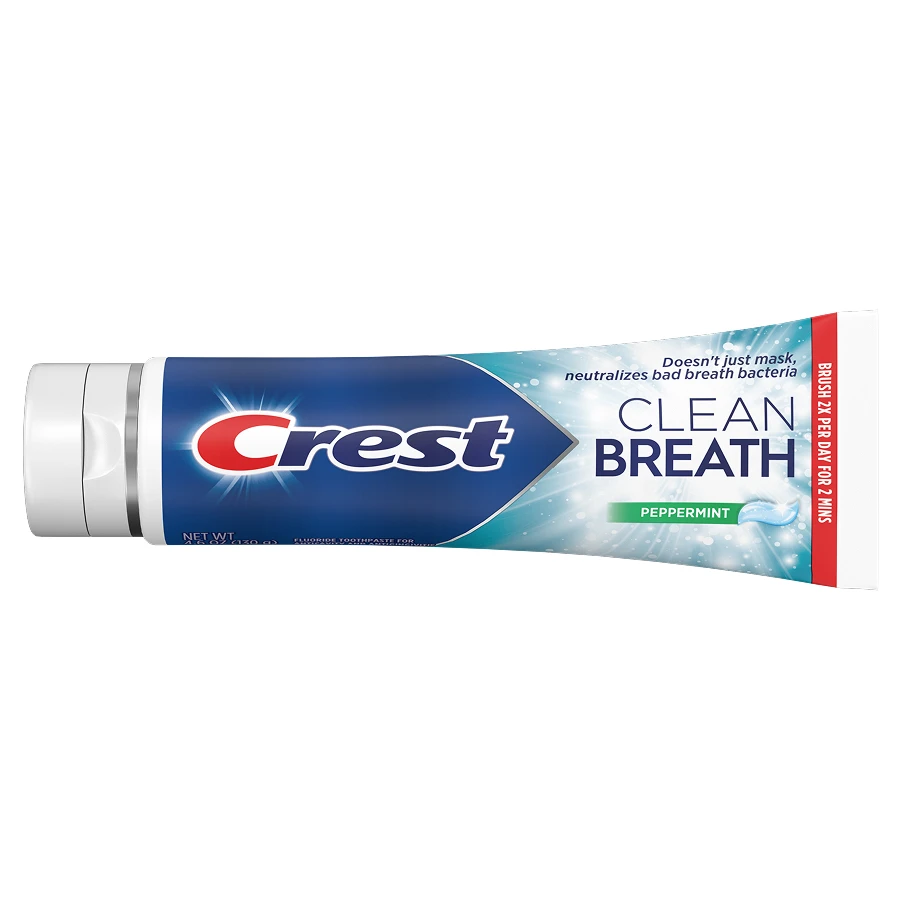
- Start your routine with Crest Clean Breath Toothpaste. This stannous fluoride formula works around the clock, actively fighting the bacteria that cause cavities and bad breath, so you enjoy a long-lasting, fresh, and clean feeling.
- Elevate your freshness with a mouthwash. These are essential for reducing odor-causing bacteria and neutralizing Volatile Sulfur Compounds (VSCs) – the main culprits behind bad breath. Reach for Crest Mouthwash not just for superior cavity and tartar protection, but to complete your routine with an invigorating, long-lasting clean and fresh feeling.
- The Oral-B iO electric toothbrush, for instance, removes significantly more plaque than a manual brush, attacking the root cause of tooth decay, gum disease and bad breath. Experience a truly deep clean that leaves your smile feeling remarkably fresh and vibrant.
- Oral-B iO Ultimate Clean brush head is engineered with unique bristle lengths to reach deep into the hidden spaces between your teeth, dislodging stubborn plaque and the odor-causing bacteria that love to hide there. This ultimate clean is key to a perpetually fresh and healthy smile.
- Complete your oral care ritual by flossing at least once daily with Oral-B floss. Flossing is crucial for reaching the tight spaces where food particles and plaque accumulate. By meticulously removing these odor sources, you ensure every surface of your teeth is clean, contributing to an undeniably fresh and clean smile.
TABLE OF CONTENTS
TABLE OF CONTENTS

Frequently Asked Questions (FAQs)

Can bad breath come solely from stomach bacteria?
While rare, some chronic halitosis can link to gastrointestinal issues like GERD. However, bad breath from stomach bacteria is less common than oral causes; dentists typically rule out mouth-related problems first.
What are the main bacteria responsible for bad breath?
The primary bacteria responsible for bad breath are anaerobic bacteria, thriving in oxygen-deprived areas. Key types include Porphyromonas gingivalis and Fusobacterium nucleatum, known for producing foul-smelling VSCs.
How effective are dental probiotics for bad breath?
Dental probiotics introduce beneficial bacteria to rebalance the oral microbiome. Research suggests certain strains can compete with or inhibit odor-producing microbes.
Is it true that all oral bacteria are bad for breath?
No, not all oral bacteria are bad. Your mouth has a complex, mostly beneficial microbiome. An oral microbiome imbalance arises from the overgrowth of specific odor-producing species, not all bacteria.
Besides brushing, what kills bad bacteria in mouth most effectively?
Beyond brushing and flossing, daily tongue scraping is very effective. Antiseptic mouthwashes with CPC or chlorhexidine can kill bad breath bacteria, and good hydration helps saliva naturally cleanse the mouth.
Sources
- American Dental Association (ADA). "Halitosis (Bad Breath)." MouthHealthy.org. Retrieved from https://www.mouthhealthy.org/all-topics-a-z/halitosis
- Mayo Clinic. "Bad breath." MayoClinic.org. Retrieved from https://www.mayoclinic.org/diseases-conditions/bad-breath/symptoms-causes/syc-20350922
- Krespi, Y. P., & Shrime, M. G. (2007). "Oral malodor: a comprehensive review." Otolaryngologic Clinics of North America, 40(3), 569-591.
- Tangerman, A., & Winkel, E. G. (2002). "The portable gas chromatograph in the measurement of halitosis." Journal of Periodontology, 73(7), 773-779.
- Scientific American. (2021). "The Surprising Perils of Periodontal Disease." Link to: https://www.scientificamerican.com/custom-media/healthy-mouth-healthy-body/the-surprising-perils-of-periodontal-disease/
- Cheng, R., et al. (2014). Breath and plaque prevention with cetylpyridinium chloride rinses: clinical meta-analysis. Journal of Dental Research, 93, 573.
- Zou, Y., et al. (2024). A meta-analysis comparing toothbrush technologies on gingivitis and plaque. International Dental Journal, 74(1), 146-156. https://doi.org/10.1016/j.identj.2023.06.009
- Zsiska, M., et al. (2021). Investigation of oral malodor prevention by dentifrices as measured by VSC reduction. Journal of Breath Research, 15(3), 10.1088/1752-7163/abf209. https://doi.org/10.1088/1752-7163/abf209