

Fresh Breath
How To Have Fresh Breath All Day

This blog has been reviewed and approved by Dr. Stephanie Gans
QUICK TAKEAWAYS
TABLE OF CONTENTS
TABLE OF CONTENTS
Executive Summary
Ever felt that unsettling doubt about your breath, especially when speaking closely to someone? You’re not alone. Bad breath, or halitosis, is a common concern affecting millions, impacting confidence and social interactions. It's a problem often rooted in the invisible world of bacteria thriving in your mouth. This comprehensive guide will explore why your breath might not be as fresh as you'd like even after brushing, and provide practical strategies to keep breath fresh all day.
The Science Behind Your Breath: How Bad Breath Bacteria Work
 Bad breath primarily originates from the activity of certain bacteria in your mouth. These microscopic inhabitants, often found in plaque, on the tongue, and between teeth, feast on food particles and dead cells. As they break down these substances, they release gases known as volatile sulfur compounds (VSCs). These VSCs, including hydrogen sulfide and methyl mercaptan, are the primary culprits behind that unpleasant odor.
Understanding Volatile Sulfur Compounds (VSCs)
VSCs are highly odorous gases produced as byproducts of bacterial metabolism. The more food available for these bacteria and the longer they remain undisturbed, the more VSCs they produce, leading to stronger bad breath. Your mouth is home to a complex ecosystem, the oral microbiome. An imbalance can favor odor-producing organisms. Factors like diet, hygiene, and medications can shift this delicate balance, influencing the prevalence of halitosis-causing bacteria.
Anaerobic Bacteria's Role in Your Mouth
A significant portion of bad breath bacteria are anaerobic bacteria in your mouth, thriving in oxygen-poor environments. These include the deep grooves of your tongue, the pockets between teeth and gums, and under dental plaque. When these areas aren't cleaned thoroughly, these bacteria proliferate, intensifying VSC production and contributing significantly to biofilm formation bad breath. They are key players in volatile sulfur compounds production.
Common Causes: Why Your Breath Stinks Throughout the Day
 It’s frustrating when you find yourself wondering, "why do I get bad breath throughout the day?" or "why does my breath stink after brushing?". The causes are varied, ranging from simple hygiene oversights to underlying health issues. Let’s explore some of the common causes:
- Morning Breath: This common issue stems from reduced saliva flow during sleep. Less saliva means fewer bacteria are washed away, allowing bacteria to multiply and produce VSCs overnight.
- Post-Brushing Bad Breath: If you experience post-brushing bad breath, it often points to inadequate cleaning. Bacteria hidden on the back of the tongue, deep within gum pockets, or lingering between teeth might be missed. Sometimes, it's residual odors from strong foods that aren’t neutralized.
- Dietary Factors and Dry Mouth What you eat plays a huge role. Garlic, onions, and spicy foods release odor-causing compounds. Sugary and acidic foods also feed plaque bacteria, accelerating VSC production. Dry mouth bacteria growth, known as xerostomia, drastically reduces saliva. Saliva is your natural rinse, so its reduction allows bacteria to flourish unchecked, intensifying bad breath.
- Beyond the Mouth: Sometimes, the source of bad breath isn't just in your mouth. Conditions like sinus infections (post-nasal drip bad breath bacteria), acid reflux, diabetes, or liver/kidney issues can manifest as distinctive breath odors. Even certain medications can contribute to bad breath. If persistent, understanding these links is crucial.
Daily Habits for Fresh Breath All Day
 Most bad breath cases can be effectively managed with consistent and proper oral hygiene. These tips for fresh breath all day form the foundation of a confident smile.
- Brush at least twice a day for two minutes: An electric toothbrush can be particularly effective, reaching areas manual brushes might miss and dislodging plaque more efficiently. Focus on all surfaces and the gum line, where gum disease bacteria often hide. Use a stannous fluoride toothpaste to strengthen enamel and fight bacteria.
- Flossing is non-negotiable: It removes food particles and plaque from between teeth and under the gum line, places your toothbrush can't reach. If left undisturbed, these areas become breeding grounds for anaerobic bacteria.Aim to floss at least once daily to significantly reduce bacteria.
- Use a Mouthwash for Clean breath: Mouthwashes with anti-bacterial ingredients, like cetylpyridinium chloride can reduce a broad range of bacteria can kill a broad range of bacteria. Use them as directed, and remember they supplement, not replace, brushing and flossing.
- Tongue Scraping :Your tongue is a prime location for tongue coating bacteria and debris. A significant portion of VSC-producing bacteria reside here. Incorporate tongue cleaning into your daily routine using a tongue scraper or your toothbrush. Gently scrape from the back of your tongue forward to remove the bacterial film, dramatically reducing odor-causing microbes.
- Hydration and Saliva Flow: Water is your best friend against bad breath. Drinking plenty of water throughout the day helps wash away food particles and bacteria, stimulating saliva production. Saliva is a natural cleanser, neutralizing acids and keeping your mouth moist, thereby inhibiting dry mouth bacteria. Swish water after meals if you can't brush.
Mouthwash: A Quick Fix or a True Solution?
Does mouthwash give you fresh breath? Yes, temporarily. Alcohol-based mouthwashes can dry out your mouth, potentially worsening bad breath long-term by promoting dry mouth bacteria. Opt for alcohol-free therapeutic mouthwashes containing active ingredients like cetylpyridinium chloride (CPC) or chlorine dioxide, which target volatile sulfur compounds production and kill bacteria. Mouthwash is an excellent addition to brushing and flossing, but not a replacement.
Strategic Snacking and Portable Essentials
Keep healthy snacks like apples or carrots handy; they naturally clean teeth and stimulate saliva. Sugar-free gum or mints offer temporary relief by increasing saliva. Carry a travel-sized toothbrush, toothpaste, or dental picks for a quick refresh after meals.
When to Consult a Professional
While most bad breath cases respond well to improved oral hygiene, persistent bad breath, or chronic halitosis, warrants a professional evaluation.
If, despite your best efforts, you still experience bad breath, visit your dentist. They can identify dental causes such as cavities, gum disease, or poorly fitting restorations that harbor halitosis-causing bacteria. Regular dental check-ups and cleanings are crucial for maintaining oral health and preventing bad breath.
Your Fresh Breath Arsenal with Crest & Oral-B
 Maintaining fresh breath and optimal oral health is an ongoing commitment, and the right tools can make all the difference. Here are a few suggestions to help establish a regular, effective routine.
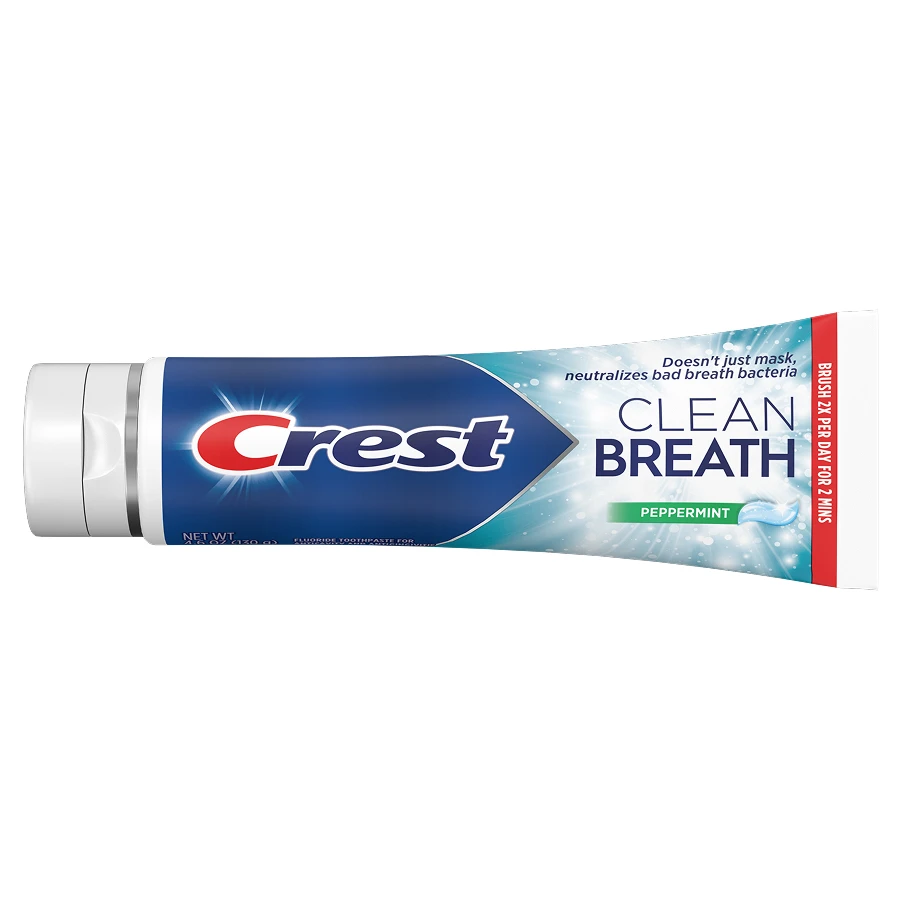
- Start your routine with Crest Clean Breath Toothpaste. This stannous fluoride formula works around the clock, actively fighting the bacteria that cause cavities and bad breath, so you enjoy a long-lasting, fresh, and clean feeling.
- Elevate your freshness with a mouthwash. These are essential for reducing odor-causing bacteria and neutralizing Volatile Sulfur Compounds (VSCs) – the main culprits behind bad breath. Reach for Crest Mouthwash not just for superior cavity and tartar protection, but to complete your routine with an invigorating, long-lasting clean and fresh feeling.
- The Oral-B iO electric toothbrush, for instance, removes significantly more plaque than a manual brush, attacking the root cause of tooth decay, gum disease and bad breath. Experience a truly deep clean that leaves your smile feeling remarkably fresh and vibrant.
- Oral-B iO Ultimate Clean brush head is engineered with unique bristle lengths to reach deep into the hidden spaces between your teeth, dislodging stubborn plaque and the odor-causing bacteria that love to hide there. This ultimate clean is key to a perpetually fresh and healthy smile.
- Complete your oral care ritual by flossing at least once daily with Oral-B floss. Flossing is crucial for reaching the tight spaces where food particles and plaque accumulate. By meticulously removing these odor sources, you ensure every surface of your teeth is clean, contributing to an undeniable fresh and clean smile.
TABLE OF CONTENTS
TABLE OF CONTENTS

FAQs

Can diet really affect my bad breath?
Absolutely. Sugary and acidic foods provide fuel for plaque bacteria, leading to increased VSC production and bad breath. A balanced diet and rinsing after meals can help.
Is mouthwash enough to combat morning breath bacteria?
While mouthwash offers temporary relief for morning breath, it's not a substitute for brushing and flossing. A comprehensive routine targeting the entire oral microbiome is necessary.
How long does fresh breath last after brushing thoroughly?
If done properly (brushing, flossing, tongue cleaning), fresh breath can last several hours. However, food/drink consumption can reduce this duration.
Can stress cause bad breath throughout the day?
Indirectly, yes. Stress can cause dry mouth, reducing saliva and encouraging dry mouth bacteria growth. Managing stress can be part of the solution.
What's the role of pH imbalance in bad breath bacteria activity?
An oral pH imbalance, often from acidic foods or lack of saliva, creates an ideal environment for VSC-producing anaerobic bacteria to flourish, exacerbating bad breath.
Sources
- American Dental Association (ADA). (n.d.). Bad Breath (Halitosis). Retrieved from https://www.mouthhealthy.org/all-topics-a-z/bad-breath
- Mayo Clinic. (2023). Bad breath. Retrieved from https://www.mayoclinic.org/diseases-conditions/burning-mouth-syndrome/doctors-departments/ddc-20350920
- Peres, M. A., et al. (2019). Oral health and its impact on the quality of life of older adults: a systematic review. Journal of Clinical Periodontology, 46(Suppl 21), 162–176.
- Rupesh, S., & Shashikanth, M. C. (2011). Halitosis - An update. Journal of Oral and Maxillofacial Pathology, 15(3), 298–303.
- Scully, C. (2006). Oral health matters: mouthwashes. British Dental Journal, 200(11), 601.
- Adam R. (2020). Introducing the Oral-B iO electric toothbrush: next generation oscillating-rotating technology. International Dental Journal, 70 Suppl 1(Suppl 1), S1–S6. https://doi.org/10.1111/idj.12570
- He, T., & Farrell, S. (2017). The Case for Stabilized Stannous Fluoride Dentifrice: An Advanced Formulation Designed for Patient Preference. The Journal of clinical dentistry, 28(4 Spec No B), B1–B5.
- Terézhalmy, G. T., et al. (2008). Plaque-removal efficacy of four types of dental floss. Journal of Periodontology, 79(2), 245–251. https://doi.org/10.1902/jop.2008.070345