
Fresh Breath
How Nutrition and Oral Care Combat Bad Breath

This blog has been reviewed and approved by Dr. Stephanie Gans
Quick Takeaways
TABLE OF CONTENTS
TABLE OF CONTENTS
Executive Summary
Bad breath, or halitosis, is a common and often embarrassing concern. While diligent oral hygiene is crucial, what we eat significantly impacts our breath. This article will explore the intricate link between nutrition and bad breath, identify foods that cause bad breath and explore the impact of alcohol on bad breath. We'll also explain which foods make morning breath worse, and which foods help combat bad breath.
The Unseen Culprits: How Certain Foods Fuel Bad Breath
Our mouths host a complex bacterial ecosystem. When these bacteria break down food particles, they produce foul-smelling volatile sulfur compounds (VSCs), the primary cause of halitosis. Understanding which foods contribute is key to fresher breath.
Common Offenders: Foods That Cause Bad Breath
 Certain dietary choices exacerbate bad breath by leaving particles for bacteria to feast on or by releasing strong odors through the bloodstream.
Sulfur-Rich Foods: Garlic and Onion
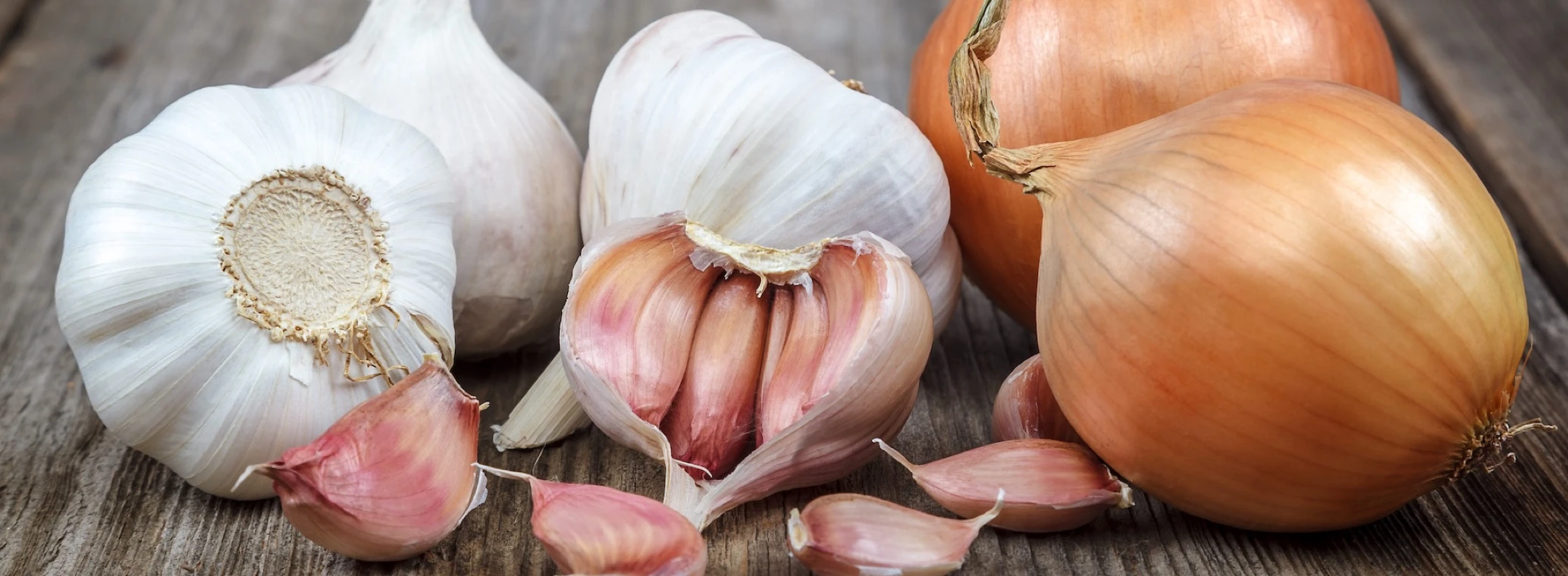
Garlic and bad breath are almost synonymous. This pungent ingredient contains sulfur compounds that, once absorbed into the bloodstream, are released via the lungs, causing an odor that can linger for hours, even after brushing. This illustrates that bad breath isn't just about food particles; systemic absorption also plays a role, making it a challenge to avoid garlic breath
Acidic Foods, Drinks, and the Alcohol Effect
 Foods like citrus, tomatoes, as well as coffee and alcohol, create an environment where bad breath bacteria thrive. They can also cause dry mouth by reducing saliva flow which is a natural cleanser. Alcohol is a dehydrating agent, making dry mouth, a breeding ground for VSC-producing anaerobic bacteria. The body’s breakdown of alcohol further releases metabolites through the lungs, contributing to odor. This reduction in saliva impacts the oral microbiome imbalance, leading to increased VSC production.
Protein-Rich Foods
Dairy and other protein-rich foods, while nutritious, can contribute to bad breath. Oral bacteria break down the amino acids in these foods, releasing VSCs. A high-protein diet without adequate hydration can create an environment ripe for odor-causing microbes.
Why Morning Breath Worsens: What Foods Make Morning Breath Worse
 Foods that make morning breath worse are often consumed at night. During sleep, saliva production significantly decreases, allowing bacteria to multiply. Acidic, sugary, or strong-smelling foods (like garlic and onion) amplify this natural overnight bacterial growth, contributing to potent morning breath. The lack of salivary flow during sleep also makes you more susceptible to plaque accumulation.
Combatting Odor: Nutritional Strategies and Oral Hygiene
Actively consuming certain foods can naturally combat halitosis. However, this also requires effective oral hygiene routine. Here are some food that help with bad breath, consider them natures deodorizers:
- Crunchy Fruits and Vegetables o Apples, carrots, and celery act as natural toothbrushes, scraping away food particles and plaque. Their high water content stimulates saliva, washing away bacteria and VSCs. This mechanical action can disrupt biofilm formation on teeth.
- Herbs and Spices o Parsley, mint, basil, and cilantro contain chlorophyll, a natural deodorizer. Chewing on them can temporarily mask odors. Some spices, like cloves and fennel seeds, have antimicrobial properties that help reduce odor-causing bacteria, offering a quick garlic breath remedy.
- Probiotic-Rich Foods o Plain, unsweetened yogurt and other fermented foods with live cultures introduce beneficial probiotic strains. These good bacteria can help balance your oral microbiome, reducing odor-producing bacteria.
Bad Breath From Stomach: Understanding and Eliminating
 While most bad breath starts in the mouth, bad breath from stomach is a concern for some. Conditions like gastroesophageal reflux disease (GERD) or acid reflux can cause stomach acids and partially digested food to release odors that travel up the esophagus. Rarely, Helicobacter pylori bacteria can contribute.
If you suspect bad breath from the stomach, consult a doctor. Treating underlying conditions like GERD (antacids, avoiding trigger foods) can help. Improving overall gut health through a fiber-rich, balanced diet and probiotics can contribute to eliminating bad breath.
While most bad breath starts in the mouth, bad breath from stomach is a concern for some. Conditions like gastroesophageal reflux disease (GERD) or acid reflux can cause stomach acids and partially digested food to release odors that travel up the esophagus. Rarely, Helicobacter pylori bacteria can contribute.
If you suspect bad breath from the stomach, consult a doctor. Treating underlying conditions like GERD (antacids, avoiding trigger foods) can help. Improving overall gut health through a fiber-rich, balanced diet and probiotics can contribute to eliminating bad breath.The Role of Saliva and Chewing Gum for Bad Breath
Saliva is your body's natural mouthwash. Sugar-free chewing gum stimulates saliva flow, washing away food particles and bacteria. Look for gums with xylitol, which inhibits odor-causing bacteria growth. This is crucial for maintaining oral hydration.
The Science Behind Fresh Breath: Preventing Bad Breath Bacteria
 Anaerobic bacteria thrive in oxygen-deprived environments, breaking down proteins into VSCs. Maintaining a healthy pH level in mouth inhibits their growth. Regular cleaning disrupts their habitats, while fluoride toothpaste strengthens enamel.
Tips for Good Oral Health
Achieving a truly fresh, clean smile and conquering bad breath requires a comprehensive approach. Here's how these products work together to deliver confidence and lasting freshness:
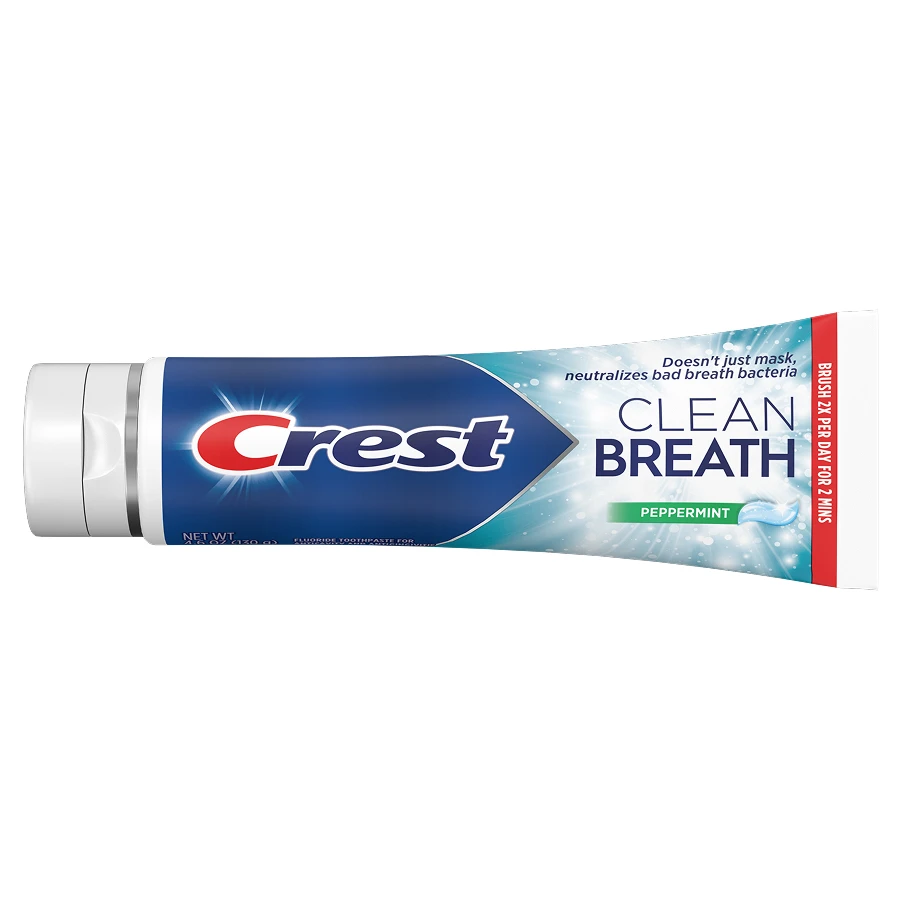
- Start your routine with Crest Clean Breath Toothpaste. This stannous fluoride formula works around the clock, actively fighting the bacteria that cause cavities and bad breath, so you enjoy a long-lasting, fresh, and clean feeling.
- Elevate your freshness with a mouthwash. These are essential for reducing odor-causing bacteria and neutralizing Volatile Sulfur Compounds (VSCs) – the main culprits behind bad breath. Reach for Crest Mouthwash not just for superior cavity and tartar protection, but to complete your routine with an invigorating, long-lasting clean and fresh feeling.
- The Oral-B iO electric toothbrush, for instance, removes significantly more plaque than a manual brush, attacking the root cause of tooth decay, gum disease and bad breath. Experience a truly deep clean that leaves your smile feeling remarkably fresh and vibrant.
- Oral-B iO Ultimate Clean brush head is engineered with unique bristle lengths to reach deep into the hidden spaces between your teeth, dislodging stubborn plaque and the odor-causing bacteria that love to hide there. This ultimate clean is key to a perpetually fresh and healthy smile.
- Complete your oral care ritual by flossing at least once daily with Oral-B floss. Flossing is crucial for reaching the tight spaces where food particles and plaque accumulate. By meticulously removing these odor sources, you ensure every surface of your teeth is clean, contributing to an undeniably fresh and clean smile.
TABLE OF CONTENTS
TABLE OF CONTENTS

FAQS

Can diet alone cure chronic bad breath?
While diet is significant, it's rarely the sole solution. Chronic bad breath often requires a combination of dietary changes, diligent oral hygiene (brushing, flossing, tongue cleaning), and professional dental care to address periodontal disease bacteria or other oral health issues.
Is there a quick garlic breath remedy that works immediately?
Chewing fresh parsley or mint, eating an apple, or drinking milk after garlic can help neutralize the odor. These are temporary garlic breath remedies, however.
How often should I use mouthwash for bad breath?
Therapeutic mouthwashes can be used once or twice daily, as directed. Overuse of alcohol-based mouthwashes can dry the mouth, potentially worsening bad breath by promoting bacterial proliferation due to dry mouth.
How can I tell if my bad breath is from my stomach or my mouth?
Most bad breath (90%) originates in the mouth. If good oral hygiene doesn't help, especially with symptoms like heartburn, it might be due to bad breath originating in the stomach or systemic conditions. Consult a doctor for a diagnosis.
Do all chewing gums help with bad breath?
No. Only sugar-free chewing gums, especially those containing xylitol, effectively stimulates saliva and helps reduce odor-causing bacteria. Sugary gums can actually contribute to bacterial growth.
REFERENCES
- American Dental Association (ADA). (n.d.). Bad Breath (Halitosis). Retrieved from https://www.mouthhealthy.org/en/az-topics/b/bad-breath
- Mayo Clinic. (2023, June 14). Bad breath (halitosis). Retrieved from https://www.mayoclinic.org/diseases-conditions/bad-breath/symptoms-causes/syc-20350922
- Cleveland Clinic. (2023, August 3). Halitosis (Bad Breath). Retrieved from https://my.clevelandclinic.org/health/diseases/17771-bad-breath-halitosis
- National Institute of Dental and Craniofacial Research (NIDCR). (2017). Bad Breath. Retrieved from https://www.nidcr.nih.gov/health-information/bad-breath
- Chen, X., He, T., Sun, L., Zhang, Y., & Feng, X. (2010). A randomized cross-over clinical trial to evaluate the effect of a 0.454% stannous fluoride dentifrice on the reduction of oral malodor. American journal of dentistry, 23(3), 175–178.
- Cheng, R., et al. (2014). Breath and plaque prevention with cetylpyridinium chloride rinses: clinical meta-analysis. Journal of Dental Research, 93, 573.
- Zou, Y., et al. (2024). A meta-analysis comparing toothbrush technologies on gingivitis and plaque. International Dental Journal, 74(1), 146-156. https://doi.org/10.1016/j.identj.2023.06.009