
Oral Hygiene
How to Pick the Best Colors for Your Braces

This blog has been reviewed and approved by Dr. Stephanie Gans.
Throughout your braces journey, you’ll have the chance to switch up your braces colors regularly. At each routine check-up, your orthodontist can update the colors on your braces. Deciding how to pick the best braces colors depends largely on your personal taste and style. Many people go with their favorite colors, seasonal shades, or themed combinations to match special events or interests. No matter which braces colors you choose, it’s essential to maintain good oral hygiene. Brush and floss every day and make sure food isn’t left behind on your teeth or trapped around your braces.
KEY TAKEAWAYS
TABLE OF CONTENTS
TABLE OF CONTENTS
How to Pick the Best Colors for Your Braces
For many people, braces are a memorable part of growing up, and choosing your braces colors can let your smile keep up with the latest trends. A straighter, more even smile is a common goal, and orthodontic treatment like braces often plays a big role in achieving it. While it takes time and patience for braces to gently guide your teeth into better alignment, you can make them more fun and fashionable with color. During the time you wear braces, you’ll be able to select new colors and change them at your orthodontic visits.
You might remember frequent orthodontist appointments as a kid to have your braces checked and adjusted. If your children get braces, you can expect them to visit the orthodontist about every 4 to 8 weeks for routine adjustments. Braces are like the quiet workhorses of dentistry, steadily helping to transform your smile. They may feel like a nuisance at first, but over time they’re key in improving your bite and helping teeth come in properly.
Whether you’re dealing with crowding, crooked teeth, or a bite that’s misaligned, braces can help. Because treatment often lasts for several months or even years, you’ll have plenty of opportunities to test out different braces colors and discover which ones you like the most. Keep reading to learn more about braces color options and get ideas for how to pick the best colors for your braces—for yourself or to help your child choose colors they’ll love.
Rolls of different braces colors
To add a little flair to your smile, you can choose from a variety of colors to personalize your braces. Your orthodontist will typically offer a selection of braces colors to decorate your brackets. Popular neutral options that attract less attention to your braces include:
- A traditional silver metal shade that matches the metal brackets on your teeth. This look is the most subtle because the silver color blends well with the brackets themselves.
- Clear is another neutral choice, and white can also create a softer, low-key appearance.
What Color Braces Should I Get?
When deciding what color braces to get, start by thinking about what you wear most often and which colors will coordinate with your usual outfits. Many people who are just getting braces choose the standard silver color at first, since it matches the brackets and wires placed on their teeth. Picking your favorite color is also a common way to go. You might also consider colors that complement your skin tone, eye color, and wardrobe. Some people enjoy changing their braces colors to match holidays, seasons, or special events for a festive touch.
What are the Best Colors for Braces?
The key factor when choosing the best color for your braces is how the color makes you feel. You’ll be looking at your braces every day, so choose something that brings you joy. Fortunately, you can usually change your braces colors at each orthodontic visit, which is often about every other month. That means you can try different braces colors over time if you’d like.
Many orthodontic offices offer a full color wheel or palette with multiple shades to help you find the exact braces color you want. Once you decide on a color, be sure it’s something you won’t grow tired of quickly, because you’ll keep that choice until your next visit.
Cool Ways to Select a Color for Your Braces
Everyone has their own method for picking braces colors, and sometimes parents help steer kids toward certain choices for a variety of reasons. Ideally, you’ll get the chance to experiment with a few different options and have fun decorating your smile. Consider these ideas when selecting your braces color:
- Go with your favorite color.
- Choose braces colors that highlight or complement your eye color.
- Coordinate your braces with holidays.
- Show team spirit by matching your favorite sports team’s colors.
- Follow current fashion trends, such as pastel hues in the Spring.
- Try festive seasonal combinations, like red and green during the Christmas season.
How Often Can You Change the Colors of Your Braces?
You can switch the color of the elastic bands on your braces at each scheduled adjustment appointment. Most people visit their orthodontist about every 6–8 weeks (or as directed), and that’s when you’ll get the chance to refresh your braces colors.
What Your Braces Color Says About You
Colors often carry symbolic meanings, and the shades you choose for your braces can send a subtle message about you or your child’s personality. Your current mood or mindset can also influence your color decisions. One dental clinic noted the following general color associations:
- Red – Can symbolize passion or anger and is sometimes associated with strength or power.
- Blue – Often represents calmness, trust, and loyalty, and can bring to mind water or the ocean.
- Green – Linked with peace, balance, prosperity, and sometimes money.
- Orange – Connected to creativity, high energy, and enthusiasm.
- Purple – Traditionally associated with luxury, wealth, and royalty.
- Yellow – Evokes happiness, warmth, and a cheerful mood.
- White – Can suggest innocence, simplicity, honesty, and purity.
- Black – May convey a strong, bold impression. It can be associated with mourning, darkness, power, or mystery, depending on the person.
Popular Braces Colors for Girls
Many girls enjoy experimenting with different braces colors and often change shades frequently to keep their look fresh. They may coordinate their braces with favorite outfits or pick whatever colors are trending at the moment. Some of the most popular braces colors for girls include:
- Reds
- Pinks
- Purples
- Neon tones
- Pastel shades
Brushing Your Teeth with Braces
Once you get braces on your teeth, you’ll need to adjust not only to how they feel but also to how you care for your mouth. Brushing with braces can feel a bit awkward initially since brackets and wires now sit on the surfaces of your teeth. You’ll want to brush more thoroughly and stay consistent with your oral hygiene routine. Crest and Oral-B offer helpful tools and tips to support your oral health while you’re wearing braces.
Proper Oral Care with Braces
Braces are effective for straightening teeth and correcting bite issues, but the brackets and wires can create extra spaces where plaque can collect. This can increase the risk of staining, tooth decay, and gum problems. A complete and consistent oral care routine helps keep your mouth healthy during orthodontic treatment and can reduce the chance of future dental issues.
When wearing braces, be sure to:
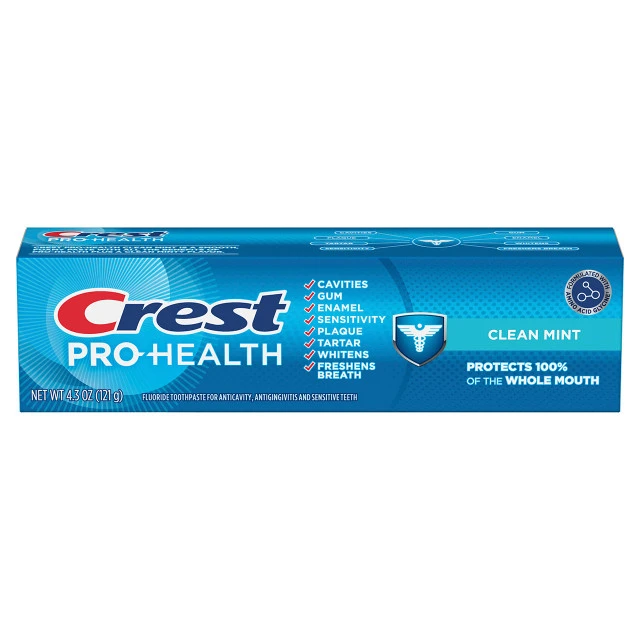
- Protect Your Smile with a specialized toothpaste like Crest Gum Detoxify Deep Clean or Crest Pro-Health Advanced Gum Protection: Brushing two times a day with a stannous fluoride toothpaste such as these helps protect against cavities, neutralize plaque bacteria around the gumline, and can even help reverse early signs of gum disease.
- The Oral-B Mouth Sore Special Care Oral Rinse is designed to help cleanse and promote healing of irritation caused by braces, such as rubbing from wires or brackets on the inside of your cheeks and lips.
- Brush 2x/day with an Oral-B iO Electric Toothbrush: Cleaning around brackets and wires can be challenging, giving plaque and food debris more places to hide. Brushing twice daily with an Oral-B electric toothbrush can remove up to 100% more plaque than a regular manual brush for healthier teeth and gums.
- Pair It with an Oral-B iO Gentle Care Replacement Brush Head: Braces can leave your mouth feeling tender or sensitive. iO Gentle Care Brush Heads feature high-density, dentist-inspired extra soft bristles arranged in an optimized pattern to better adapt to teeth and gums while still delivering a gentle, thorough clean.
- Use String Floss: Flossing once a day removes plaque and trapped food between teeth. Adding flossing to your routine can help flush away remaining particles and plaque from hard‑to-reach areas, giving you an extra layer of protection and promoting healthier gums.
- Maintain a Balanced Diet: Sugary foods and drinks can increase plaque buildup—especially around braces. Focus on fruits, vegetables, and whole grains to help limit plaque-causing bacteria and keep your smile in better shape.
- Visit Your Dental Professional Regularly: Keep up with orthodontic visits so your braces stay properly adjusted. It’s also important to see your general dentist for professional cleanings and checkups at least twice a year to closely monitor your oral health.
TABLE OF CONTENTS
TABLE OF CONTENTS

FAQs

What color braces should I get?
There are many different color choices available for braces, and it’s up to each patient to decide which color they like best.
What color braces make your teeth look whiter?
Darker shades such as navy blue, deep purple, or even black can create contrast that helps teeth look whiter. It’s usually best to steer clear of colors like white, yellow, or clear, since they can stain easily and may cause teeth to appear more dull or yellowish.
What colors to avoid for braces?
Ultimately, the colors you avoid are a personal choice—most people skip colors they simply don’t like. Some may also prefer to avoid very dark shades like black, depending on the look they want.
Sources
- Grender, J., et al. (2022). A 12-Week Randomized Controlled Trial Comparing a Novel Electric Toothbrush With an Extra Gentle Brush Head to a Manual Toothbrush for Plaque and Gingivitis Reduction. Compendium of Continuing Education in Dentistry, 43(3), f20–f29.
- He, T., et al. (2025). Randomized Controlled Trials Assessing Exposure Frequency Effects of Stannous Fluoride on Gingivitis. JDR Clinical and Translational Research, 10(2), 124–134.
- Van Elslande D. (2022). Use of an Oscillating-Rotating Electric Toothbrush and Novel Brush Head to Increase Brushing Motivation and Reduce Plaque Among Orthodontic Patients. Compendium of Continuing Education in Dentistry, 43(3), f14–f19.
- Witt, J., et al. (2005). Antibacterial and antiplaque effects of a novel, alcohol-free oral rinse with cetylpyridinium chloride. The Journal of Contemporary Dental Practice, 6(1), 1–9.