
CAVITY-PROTECTION
What Are Dental Caries? Treatments, Signs, and Symptoms

Your tooth suddenly starts to ache. Maybe it hurts when you eat something sweet. Or you spot a dark mark on a tooth and wonder if it’s something serious. These could be signs of dental caries—the disease process that leads to tooth decay and cavities—and dental caries is one of the most common oral health problems. The positive news is that tooth decay caused by dental caries is largely preventable and very treatable with proper care. In this overview, we’ll look at the dental caries definition, how to recognize dental caries symptoms, and what you can do to prevent and treat them so you can keep your teeth strong and healthy.


What Are Dental Caries?
Dental Caries Signs and Symptoms
- Tooth Sensitivity: Discomfort or pain when you eat or drink something hot, cold, or sweet.
- Early Sign – White Spots: One of the first visible signs of dental caries is a chalky white spot on the enamel where minerals have been lost.
- Progression to Cavities: As dental caries progresses, those white spots can turn light brown, then darken further and develop into visible dark spots, pits, or holes on the tooth surface.
- Toothache: Ongoing or intermittent pain in a tooth, which can intensify when you bite down, chew, or touch the tooth.
- Swelling or Abscess: In more advanced stages of dental caries, infection may spread, causing swelling in the jaw or face. A pocket of pus, called an abscess, can form near the root of the tooth. If you notice any of these signs of dental caries, schedule an appointment with a dentist or dental hygienist as soon as possible to limit further damage.
Treatment Options
- Fluoride Treatments: Professional fluoride applications can help remineralize weakened enamel and may reverse very early stages of dental caries before a cavity forms.
- Fillings: When a cavity has developed, the dentist removes the decayed portion of the tooth and restores it with a filling material such as composite resin, amalgam, or a porcelain restoration.
- Crowns: If a substantial amount of tooth structure is lost to dental caries, a crown (cap) can be placed over the tooth to restore its shape, strength, and function.
- Root Canals: When dental caries penetrates deeply enough to reach the tooth’s inner soft tissue (the pulp), a root canal may be required. The dentist removes the infected pulp, cleans and seals the canal, and then restores the tooth.
- Tooth Extraction: In the most severe cases when the tooth is too badly damaged to repair removing the tooth may be the only remaining treatment option.
Preventing Dental Caries
- Brush Regularly: Brush your teeth with fluoride toothpaste at least twice a day. Fluoride strengthens enamel and helps protect against cavities caused by dental caries
- Floss Daily: Floss once a day to remove plaque and food debris from between teeth and along the gumline where your toothbrush can’t reach
- Limit Sugary Foods and Drinks: Cut back on sugary snacks and sweetened beverages. These foods fuel the bacteria that cause dental caries, leading to more acid and higher risk of tooth decay
- Use Fluoride Products: Incorporate fluoride mouthwashes or other fluoride-containing products as recommended by your dental professional to further help prevent dental caries
- Regular Check-ups: Visit your dentist and dental hygienist on a regular schedule for professional cleanings and examinations. These visits allow dental caries risk assessment and early treatment of any problems before they become serious
- Consider Sealants: Dental sealants are thin, protective coatings applied to the chewing surfaces of the back teeth. They create a barrier over the grooves and pits of molars, helping to prevent cavities in areas that are harder to clean thoroughly
Summary
Avoid Cavities, Tooth Decay, and Tartar with Crest
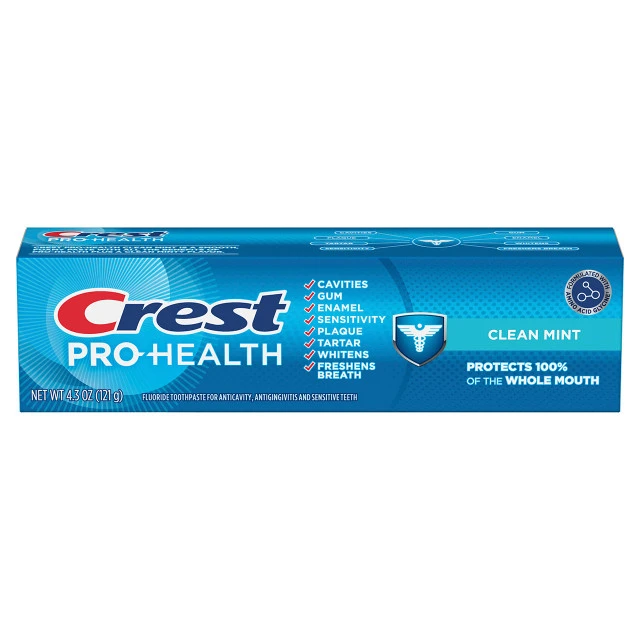
- Use Crest Pro-Health Advanced Deep Clean Toothpaste, formulated with patented stannous fluoride. It helps strengthen teeth and neutralize plaque bacteria that can lead to tooth decay and tartar.
- Another way to boost your cavity protection is to rinse with a sodium fluoride mouthwash, such as Crest Pro-Health Multi-Protection.
- To help prevent tooth decay and reduce your risk of developing gum disease by removing plaque, floss your teeth at least once daily with Oral-B floss, ensuring you clean around every tooth.
- Try switching to an electric toothbrush, such as the Oral-B iO electric toothbrush, which protects teeth and gums from the leading causes of tooth decay, and signs of early gum disease.
- The right toothbrush head, such as the Oral-B iO Ultimate Clean brush head, effectively removes plaque and features different bristle lengths that reach deep into the spaces between your teeth, where plaque bacteria often hide.


Can dental caries be reversed?
What do dental caries look like?
What is the difference between caries and cavities?
Is there a way to assess my risk of getting dental caries?
Can I get a vaccine for dental caries?
Sources
- https://www.ada.org/resources/ada-library/oral-health-topics/caries-risk-assessment-and-management
- https://my.clevelandclinic.org/health/diseases/10946-cavities
- https://www.hopkinsmedicine.org/health/conditions-and-diseases/tooth-decay-caries-or-cavities
- https://www.mayoclinic.org/diseases-conditions/cavities/symptoms-causes/syc-20352892
- https://www.nidcr.nih.gov/health-info/tooth-decay/more-info/tooth-decay-process
- https://pmc.ncbi.nlm.nih.gov/articles/PMC8757708/
- https://pubmed.ncbi.nlm.nih.gov/31518435/
- https://www.webmd.com/oral-health/dental-health-cavities
- Biesbrock, A., et al. (2006). Assessment of treatment responses to dental flossing in twins. Journal of periodontology, 77(8), 1386–1391. https://doi.org/10.1902/jop.2006.050399
- Grender, J., et al. (2020). An 8-week randomized controlled trial comparing the effect of a novel oscillating-rotating toothbrush versus a manual toothbrush on plaque and gingivitis. International Dental Journal, 70 Suppl 1(Suppl 1), S7–S15. https://doi.org/10.1111/idj.12571
- Hu, P., et al. (2024). The Effect of Oral Care Product Ingredients on Oral Pathogenic Bacteria Transcriptomics Through RNA-Seq. Microorganisms, 12(12), 2668. https://doi.org/10.3390/microorganisms12122668
- Zou, Y., et al. (2024). A Meta-analysis Comparing Toothbrush Technologies on Gingivitis and Plaque. International Dental Journal, 74(1), 146–156. https://doi.org/10.1016/j.identj.2023.06.009