
Gum Health
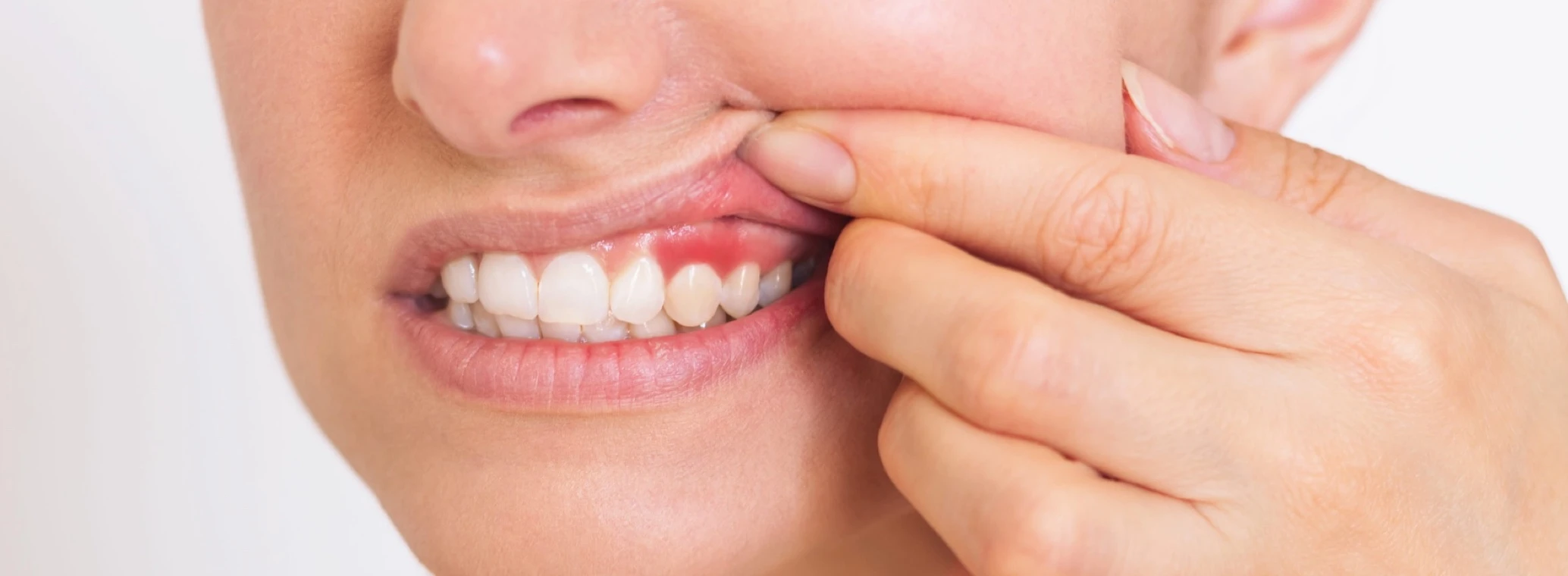
Why Is My Gum Swollen Around One Tooth? Causes and Treatments

This blog has been reviewed and approved by Dr. Stephanie Gans
If your gums are swollen around one tooth, you're likely wondering why. Is there an underlying condition triggering this swelling? This article will explore what causes swollen gums, how to approach swollen gums treatment, and when it's crucial to consult a dentist. We'll also provide essential tips to help prevent gum inflammation in the future.
Key Takeaways
TABLE OF CONTENTS
TABLE OF CONTENTS
What Are Swollen Gums?
Your gums consist of soft, protective tissue that covers your jawbones and encases the base of your teeth. Healthy gums appear pink, are firm, and do not bleed easily. Conversely, when your gums are unhealthy, you might notice they become swollen and bleed when you brush or floss your teeth.
In addition to swelling, unhealthy gums might exhibit a spongy texture, appear red rather than the typical pink hue, and show signs of detachment from the teeth, indicating potential periodontal disease.
It’s important to address swollen gums seriously, as they could signal a condition that leads to tooth loss, gum disease, and other more significant health concerns.
Causes of Swollen Gums Around One Tooth
 There are several potential reasons why you might experience swollen gums around one tooth. Let’s explore them.
- Poor Dental Hygiene Firstly, you may experience localized swelling due to ineffective brushing or flossing in that specific area. Over time, plaque can accumulate along your gumline and cause irritation, which can lead to gum swelling.
- Food Particles Stuck Around the Tooth Another possible reason for your localized gum inflammation is that a food particle might be lodged between your teeth, irritating your gums. Food particles trapped between a tooth and the gumline can cause direct irritation and create an environment for bacteria to thrive, leading to a localized inflammatory response, manifesting as swelling.
- Gum Disease Gum disease can cause swollen gums. This condition, an infection of the tissues supporting your teeth, triggers an immune response. Your body dispatches inflammatory cells to combat the bacterial infection, resulting in redness and swelling.
- Injury Occasionally, swollen gums are a sign of injury. For instance, if you sustain an accidental blow to the mouth, you might observe inflammation caused by broken blood vessels or fluid buildup in that part of the gums.
- Dental Abscess Your gums might be inflamed due to a dental abscess, which is a pocket of pus caused by a bacterial infection. This can occur within the gum tissue itself (a periodontal abscess) or at the root of a tooth (a periapical abscess) resulting from severe decay or injury. If left untreated, a dental abscess can lead to increased blood flow (swelling) to the area as your body attempts to fight the infection.
- Recent Extraction If you’ve recently had a tooth pulled, swelling could indicate an infection or dry socket.
At-Home Treatment Options for Swollen Gums
If your gums are swollen, you'll likely want to address the issue at home. However, while you might achieve temporary relief independently, it's crucial to seek professional swollen gums treatment.
While awaiting a dental appointment, here are some treatments for swollen gums to try:
- Salt Water Rinse: Rinsing with salt water can help reduce inflammation and aid in healing.
- Antiseptic Mouthwash: An antiseptic mouthwash, like Crest Pro-Health Multi-Protection Mouthwash, can reduce plaque bacteria to help prevent plaque buildup and promote gum healing.
- Good Dental Hygiene: Ensure you brush at least twice daily and floss once a day. For effective brushing, use a toothpaste with stannous fluoride, such as Crest Gum Detoxify Toothpaste, and an electric toothbrush with a round brush head, like those in the Oral-B iO Series.
Professional Treatments for Swollen Gums Around One Tooth
 While mild gum inflammation can be managed at home, contact your dentist if the swelling doesn’t subside after a week, or if you develop any additional symptoms, such as pain or a fever. Here are professional treatments for swollen gums your dentist may suggest:
- Deep Cleaning: A deep cleaning, consisting of scaling and root planing, will be beneficial if the swelling results from plaque buildup.
- Antibiotics: If your tooth is abscessed, your dentist may prescribe an antibiotic.
- Incision and Drainage: For an abscessed tooth, your dentist will make an incision and drain the site, then clean and disinfect the infected area.
- Root Canal: A root canal may be a treatment option if the swelling stems from bacteria in the tooth root.
- Tooth Extraction: If the swelling is due to an infected tooth that cannot be saved, your dentist may need to extract it.
- Flushing the Socket and Medicating: If you’ve recently had a tooth extraction and your dentist suspects the inflammation is due to dry socket, they will flush out the socket, treat it with a medicated gel, and prescribe pain medication.
Tips to Prevent Gum Inflammation
With the previously mentioned causes and symptoms in mind, here are some of our top tips to prevent gum inflammation from occurring in the first place.
Use the Right Toothbrush
Select a toothbrush with soft bristles. While both manual and electric toothbrushes are options, many dentists recommend electric toothbrushes for their ease of use and effectiveness. Those with small, round heads help you reach and clean all areas of your mouth. As for toothpaste, select one with an active ingredient that promotes gum health, such as stannous fluoride.
Brush Twice a Day for Two Minutes Each Time Brush your teeth as recommended, at least twice daily—once in the morning and once in the evening. You might also consider brushing midday, at least until any underlying dental issues are resolved.
From start to finish, brushing your teeth should take the recommended two minutes.
Use the Correct Brushing Technique Ensure you are brushing correctly. Angle your toothbrush 45 degrees to the gumline and, starting from the back of your mouth, brush each tooth with short, back-and-forth motions. Clean every surface of every tooth: the front, back, and chewing surfaces.
You'll also want to brush your tongue to remove plaque and bacteria.
Floss Daily
 Additionally, floss once a day to remove any food particles or plaque trapped between your teeth. Do not skip this step in your oral hygiene routine! Flossing can significantly enhance teeth cleaning beyond brushing alone.
- Rinse with An Antibacterial Mouthwash Rinsing with an antibacterial mouthwash daily can help reduce plaque bacteria along the gumline, thereby preventing swelling, plaque buildup, and bad breath.
- Visit Your Dentist Every Six Months Even with excellent at-home oral care, regular professional cleanings are essential. Schedule a dental appointment twice a year so your dentist can clean and examine your teeth and gums.
- Eat a Tooth-Healthy Diet Vegetables like broccoli, carrots, and celery will help remove plaque, and diets rich in calcium and phosphorus will strengthen tooth enamel and protect against decay. These foods include milk, cheese, yogurt, beans, almonds, leafy greens, and fish.
- Avoid Sugar Steer clear of sugary foods and beverages, as sugar fuels bacteria in your mouth and can lead to tooth decay.
- Don’t Smoke Quit smoking. Tobacco weakens your immune system, making it harder to fight off gum infections and, therefore, more susceptible to gum disease, oral cancers, and many other types of cancer.
Healthy Gums and Teeth with Crest and Oral-B
 Common oral health issues include cavities and tooth decay, gum disease, staining, and sensitivity. The main culprit behind these is often plaque buildup a sticky bacterial film that forms on teeth. By consistently following a complete oral care routine, you can preemptively tackle these issues, leading to a stronger, healthier smile:
- Crest Gum Detoxify Toothpaste contains stannous fluoride, which combats the plaque bacteria responsible for gum disease. Pair that with an Oral-B iO electric toothbrush to help reduce gum bleeding and reverse early signs of gum disease.
- Our mouthwashes, like Crest Pro-Health Multi-Protection Mouthwash, are clinically proven to offer 24-hour protection against plaque and gingivitis when used twice daily.
- When you brush with Oral-B iO electric toothbrushes, you can safeguard your gums and help prevent further gum recession. Oral-B iO assists in avoiding new tooth and gum issues and if you already have existing gum problems like gingivitis, it can help improve your gum health more rapidly than a manual toothbrush.
- The correct toothbrush head also significantly contributes to effective cleaning without gum irritation. Pair your toothbrush with an Oral-B Gentle Care brush head, which is designed to provide an effective clean while being gentle on sensitive areas and gums.
TABLE OF CONTENTS
TABLE OF CONTENTS


FAQS

Should I stop brushing if my gums are swollen?
The short answer is no. Good oral hygiene is crucial for maintaining a healthy mouth. However, the right tools matter. Choose a soft-bristled toothbrush and apply gentle pressure when brushing over any infected or swollen areas.
Can hormones cause gum swelling?
Believe it or not, hormonal fluctuations can cause gum swelling. Elevated levels of estrogen or progesterone can increase the risk of inflammation in your mouth.
Why do my gums swell overnight?
There are several reasons you might notice swelling in your gums upon waking in the morning. This could be due to teeth grinding (bruxism) while you sleep, dehydration, or one of the underlying conditions mentioned above.
If you observe consistent swelling, consult your dentist for the appropriate swollen gum treatment option.
If you observe consistent swelling, consult your dentist for the appropriate swollen gum treatment option.
Sources
- Periodontal (Gum) Disease: Causes, Symptoms, and Treatments
- Swollen Gums: Symptoms, Causes & Treatment
- Tooth abscess - Symptoms & causes - Mayo Clinic
- Dental Infection Antibiotics Guidelines for Pain and Swelling | American Dental Association
- Keeping your gums healthy - The Journal of the American Dental Association
- The Effect Of Elevated Ovarian Hormones On Periodontal Health Grender, J., et al. (2020). An 8-week randomized controlled trial comparing the effect of a novel oscillating-rotating toothbrush versus a manual toothbrush on plaque and gingivitis. International Dental Journal, 70, S7–S15. https://doi.org/10.1111/idj.12571 He, T., et al. (2025). Randomized Controlled Trials Assessing Exposure Frequency Effects of Stannous Fluoride on Gingivitis. JDR Clinical and Translational Research, 10(2), 124–134. https://doi.org/10.1177/23800844241263031 Thurnay, S., et al. (2022). A Global, In-Market Evaluation of Toothbrushing Behaviour and Self-assessed Gingival Bleeding with Use of App Data from an Interactive Electric Toothbrush. Oral Health & Preventive Dentistry, 20, 1–10. https://doi.org/10.3290/j.ohpd.b2572911 Zou, Y., et al. (2024). A meta-analysis comparing toothbrush technologies on gingivitis and plaque. International Dental Journal, 74(1), 146-156. https://doi.org/10.1016/j.identj.2023.06.009