
GUM-HEALTH
Gum Abscess: Symptoms, Causes, and Treatments
Learn gum abscess symptoms and causes. Discover professional and at-home treatments for gum abscesses to relieve discomfort and help you feel better.
If you're experiencing pain in your gum area, notice visible swelling, or a pocket filled with pus on your gum, you might have a gum abscess. This article will delve into the symptoms, underlying causes, and effective treatments for this serious dental condition, helping you regain your healthy smile.
Key Takeaways
TABLE OF CONTENTS
TABLE OF CONTENTS
What Is a Gum Abscess?
The term "gum abscess" refers to two distinct types of oral infections: a gingival abscess and a periodontal abscess. Both conditions, if left unaddressed, can lead to infection and the formation of a pus-filled pocket on your gums.
A gingival abscess, however, is an infection confined solely to the gum tissue, whereas a periodontal abscess impacts both the bone and ligaments supporting the tooth. Periodontal abscesses are more frequently encountered, and thus, our primary focus in this discussion will be on them.
Continue reading to understand the nature of this dental issue, how to effectively treat an abscess, and crucial steps to prevent its progression.
How Serious Is a Gum Abscess?
Gum abscesses can pose significant health risks. Should the infection spread, you may develop a high fever and feel generally unwell. In severe instances, you might find it difficult to fully open your mouth or experience trouble swallowing or breathing. If you suspect you have a gum abscess, it is crucial to consult your dentist without delay.
Gum Abscess Symptoms

Pus Pocket
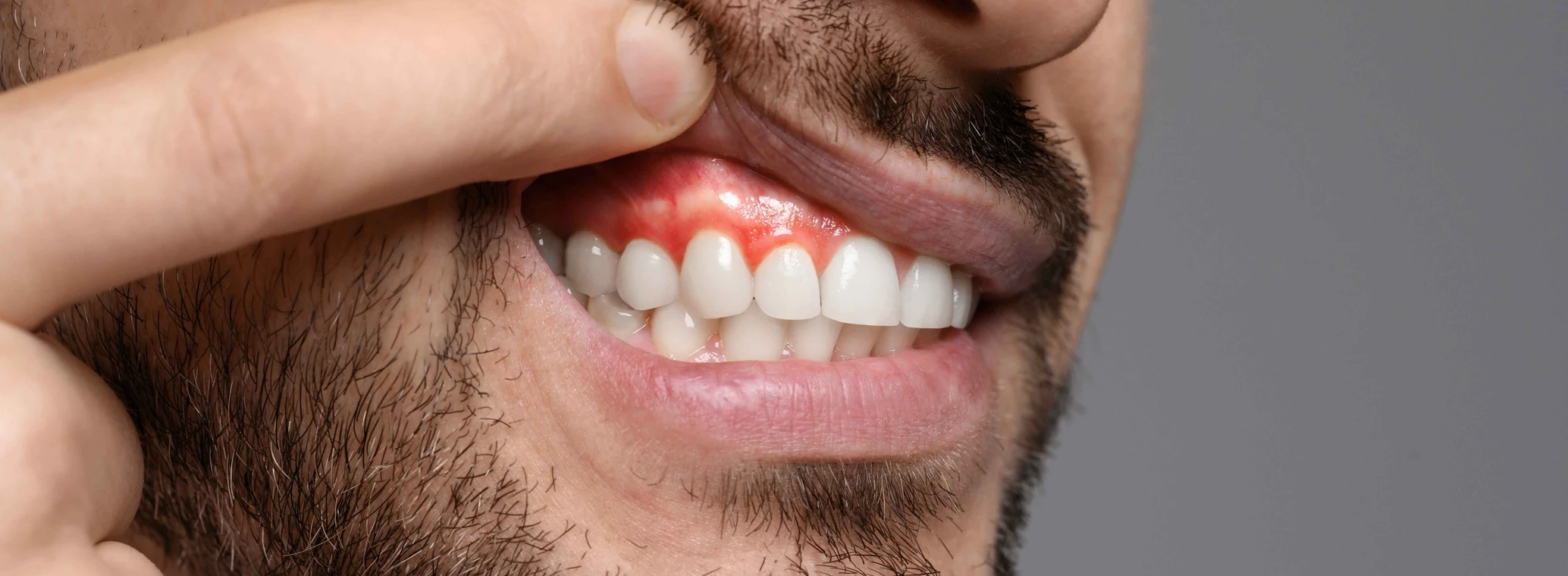
One of the main indicators of a gum abscess – and what differentiates it from other dental problems – is the presence of pus that can collect and form a pocket within the tissue above your teeth. When an infection or cavity develops in your mouth, your body's immune system deploys white blood cells to combat it. These cells accumulate beneath the gum surface, leading to a buildup of pus that exerts pressure on the surrounding gum tissue, resulting in a pimple-like bulge. If you observe a pus pocket on your gum, consult a dentist immediately to address the underlying issue.Throbbing Pain
Although a pus pocket is the most apparent symptom of a gum abscess, severe pain in your mouth – particularly in the soft tissues around your teeth – is often one of the first signs you might notice. This pain represents another way your body reacts to the problem beneath the gum line. While an over-the-counter pain reliever may offer temporary relief, it won't halt the infection's spread in unseen areas. Professional consultation and subsequent antibiotic treatment will be necessary. If you experience pain that lingers for more than a few days, speak with your dentist promptly to identify the root cause.Inflamed Gums
Another symptom frequently associated with a developing gum abscess is visibly inflamed gums. Inflammation is the body's natural defense mechanism, working to combat harmful bacteria and the infection they cause. Inflamed gums will appear redder than the adjacent tissue and may feel tender or painful to the touch. This unequivocally signals inflammation beneath the gum's surface.Sensitive Teeth or Gums
If you experience discomfort or pain while chewing or applying pressure to your teeth, an intense toothache, gum pain, redness inside your mouth, or facial or jaw redness could all point to an abscess. Now that you're aware of its symptoms, let's explore the primary causes of a gum abscess.Gum Abscess Causes
 Ultimately, a gum abscess is triggered by a bacterial infection that spreads into your tooth and beneath your gum line.
Your body's reaction to this infection can manifest as the symptoms we've already mentioned. As white blood cells accumulate, the most prominent symptom of a gum abscess – the pus pocket – becomes evident.
What initiates the infection that sets this process in motion? Let's investigate.
Ultimately, a gum abscess is triggered by a bacterial infection that spreads into your tooth and beneath your gum line.
Your body's reaction to this infection can manifest as the symptoms we've already mentioned. As white blood cells accumulate, the most prominent symptom of a gum abscess – the pus pocket – becomes evident.
What initiates the infection that sets this process in motion? Let's investigate.
Plaque and Tartar Buildup
Plaque is a sticky film that adheres to your teeth's surfaces. It's composed of food and drink particles, bacteria, and saliva. Plaque buildup is common and can be managed at home with consistent oral hygiene. However, if not removed through brushing, flossing, or regular dental cleanings, it can solidify into tartar over time. Unlike plaque, tartar cannot be removed at home and necessitates professional cleaning to prevent complications. If left untreated, tartar can lead to tooth decay and a gum abscess. Plaque and tartar also contribute to bad breath, bleeding gums, gum disease, tooth decay, and tooth loss.Tooth Decay and Cavities
Bacteria can produce acids that demineralize your tooth enamel (the tooth's protective outer layer), potentially weakening and fracturing it. Once the enamel erodes, bacteria can penetrate the dentin (the tooth's middle layer) and the pulp (the innermost layer), creating a cavity. This makes you more vulnerable to infection.Other Risk Factors
Beyond plaque and tartar accumulation, tooth decay, and cavities, several other factors can contribute to the development of a gum abscess. These include:- Food particles trapped under your gums or below the gum line
- Advanced gum disease
Professional Gum Abscess Treatments
 If your dentist detects the infection early, they might prescribe antibiotics to help your body fight off the bacteria. This is typically the initial step. Your dentist may also suggest one of the following treatment methods.
Gum Incision and Drainage
For a fully developed gum abscess, one of the first actions your dentist will take is to make an incision in the pus pocket. This allows for fluid drainage and relieves pressure.Root Canal
A root canal is a dental procedure designed to remove infected pulp from inside the tooth, thereby preventing further infection. If your dentist can repair the tooth damage below the gum line and seal it, your gum abscess may heal. Otherwise, a more extensive procedure might be necessary.Extraction
In certain advanced scenarios, your dentist may need to extract the tooth if it's beyond saving through a root canal procedure. While a dental professional will offer the best advice and care, there are interim steps you can take at home to alleviate gum abscess symptoms.Temporary At-Home Relief for Gum Abscess Symptoms
 When considering at-home remedies for a gum abscess, remember they don't resolve the underlying problem. However, they can reduce your symptoms until you can see a dentist.
Here are a few at-home treatments to consider.
When considering at-home remedies for a gum abscess, remember they don't resolve the underlying problem. However, they can reduce your symptoms until you can see a dentist.
Here are a few at-home treatments to consider.
Practice Good Oral Hygiene
The primary defense against gum abscesses involves effective oral hygiene to eliminate plaque. This includes brushing your teeth twice daily with an electric toothbrush, flossing at least once a day, and using mouthwash.Rinse with Salt Water
If a dentist appointment isn't immediately possible, try rinsing your mouth with salt water for pain relief. The salt in the solution possesses anti-inflammatory properties that can help soothe the affected area and promote healing. Mix ½ teaspoon (approximately 2.5 grams) of salt in ½ cup (about 120 milliliters) of warm water and swish the solution around your mouth for a few minutes before spitting it out.Take an Over-The-Counter Pain Reliever
Over-the-counter pain relievers, such as ibuprofen or acetaminophen, can temporarily alleviate the throbbing sensation in your gums and the sensitivity in your teeth. Do not postpone your dental appointment. The pain will return, and you'll want to address the root cause as quickly as possible to prevent further localized and systemic complications.Apply a Cold Compress
A cold compress can help diminish swelling and pain. Wrap an ice pack in a dish towel and apply it to the outside of your cheek near the painful area for 10-20 minutes. Repeat this several times a day until you can consult your dentist.Start Your Oral Care Routine with Crest and Oral-B

Crest and Oral-B Know That Healthy Gums Are the Foundation of a Healthy Mouth
Healthy gums are fundamental to overall tooth and mouth health. In the event of gum disease (also known as gingivitis), the initial and most crucial step is to consult a dental professional. They can conduct a thorough examination, ascertain the severity of periodontal disease, and recommend appropriate treatments. However, there are also proactive measures you can take.- Crest Gum Detoxify Toothpaste is formulated with stannous fluoride, which works along the gumline to help neutralize plaque bacteria for 24 hours (with twice-daily brushing), leading to healthier gums.
- Rinsing with a mouthwash like Crest Pro-Health Clinical is clinically proven to provide 24-hour protection against plaque and gingivitis with twice-daily use. - Oral-B iO electric toothbrushes help safeguard your teeth and gums. Studies show they can be more effective at improving gum health than manual toothbrushes. For individuals with advanced gum issues like periodontitis, an Oral-B iO toothbrush with its brushing app has been demonstrated to enhance disease management when integrated into a comprehensive care plan.
- Brush heads like Oral-B iO Gentle Care brush heads feature up to 4,000 ultra-thin bristles for a gentle, effective clean. When paired with an Oral-B iO toothbrush, the brush head's micro-vibrations help dislodge plaque. Additionally, the smart pressure sensor located in the iO handle helps protect you from brushing too forcefully.
- Complete your oral care ritual by flossing at least once daily with Oral-B floss. Flossing is crucial for reaching the tight spaces where food particles and plaque accumulate. By meticulously removing these odor sources, you ensure every surface of your teeth is clean, contributing to an undeniably fresh and clean smile
TABLE OF CONTENTS
TABLE OF CONTENTS


FAQs

Will a gum abscess go away on its own?
No, a gum abscess will not resolve on its own. It's a buildup of pus caused by an infection that requires urgent professional treatment.
Should I pop a gum abscess?
You should never pop a gum abscess. Doing so will likely cause the bacteria to spread to other areas of your mouth and potentially the rest of your body. In rare cases, this can lead to sepsis. If you have a gum abscess, seek professional dental treatment right away.