
ADULTS
Gum Graft: What It Is, Procedure, Recovery, And Aftercare

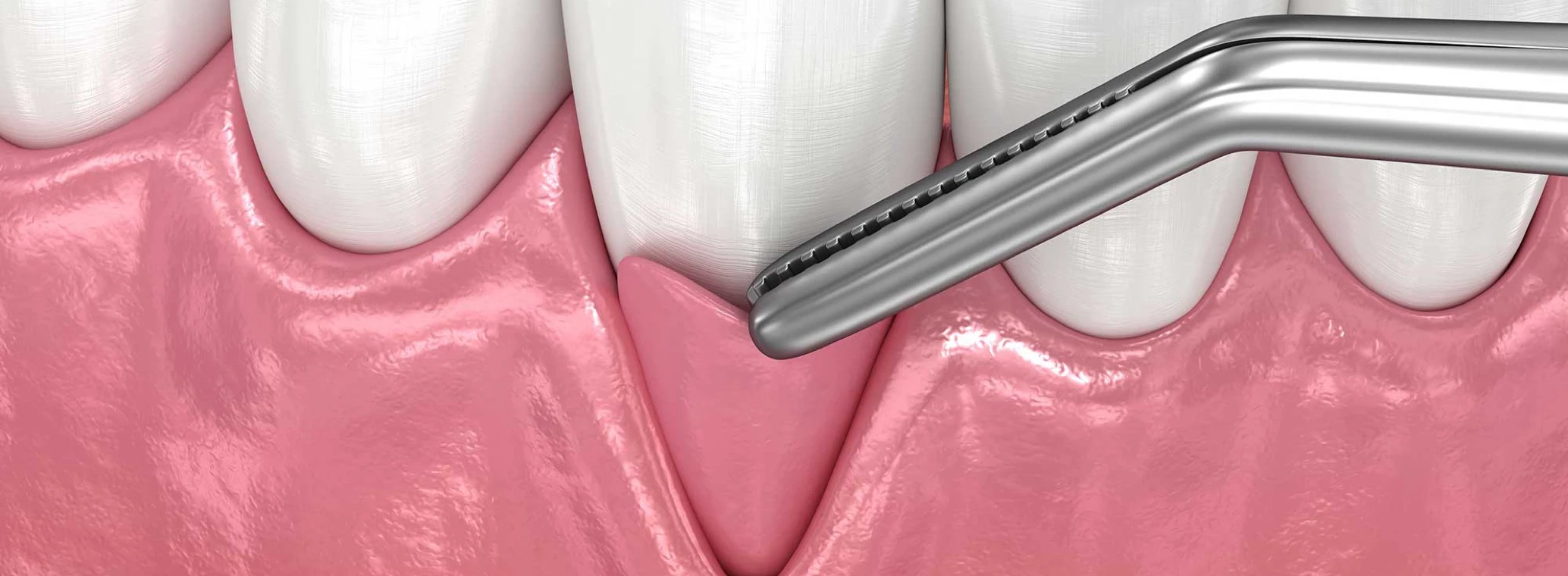
Maintaining healthy gums is as vital as consistent tooth brushing and flossing. Factors like aggressive brushing, underlying gum disease, or genetic predisposition can lead to gum recession. If this condition arises, your dentist might suggest a gum graft to rectify the issue. While the risk of gum recession can increase with age, it can affect adults across all age groups, making gum grafts a potential solution for many individuals. The dental surgery itself typically lasts one to two hours, with an initial recovery time of approximately one to two weeks, and complete healing extending to a month or more. Delve deeper into gum grafts, reasons for needing them, recovery, and always seek a professional recommendation from a dentist.


Gum Graft: What It Is, Procedure, Recovery, And Aftercare
Gum Grafts
What Is a Gum Graft?
Gum Graft Surgery and Procedure – Step by Step
- Connective Tissue Grafts: This is the most common type of gum graft, frequently performed to cover an exposed tooth root.
- Free Gingival Grafts: These are utilized to thicken gum tissue in patients experiencing thinning gums.
- Pedicle Grafts: Often chosen when sufficient gum tissue with its own blood supply is available near the receding tooth.
- Upon arrival at the periodontist's office, you will receive local anesthesia to completely numb the surgical areas, ensuring no pain during the procedure.
- The periodontist will perform one of the specified gum graft procedure types, depending on your individual needs and the nature of your gum recession.
- After the gum graft is securely placed, your mouth will be rinsed with a special antimicrobial mouthwash to help prevent infection.
- Your gum graft recovery will be unique to you; your periodontist will likely recommend a specific diet and recovery plan.
Gum Graft Recovery
- Applying ice to your mouth will help reduce swelling.
- Your periodontist will suggest a diet, likely consisting of soft foods and liquids.
- Generally, it is advisable to avoid exercise and heavy lifting during your gum graft recovery. Your periodontist will provide personalized recommendations after the gum graft procedure.
- Special mouthwashes or oral hygiene tips might be recommended to care for your gums and teeth as your mouth heals.
Gum Graft Before and After
Gum Graft Healing Stages and Recovery
- Day 1 : Post-surgery recovery, with potential swelling.
- Days 2-3 : Pain may be present, swelling should begin to decrease.
- Days 4-7 : Maintain a soft diet as the gum graft area heals and may appear white or yellowish.
- Days 8-10 : Swelling or pain should be significantly reduced. Most individuals can return to about 90% of their normal diet.
- Days 11-14 : The gum graft should feel better, and a follow-up dental appointment will be necessary.
- Days 15-21 : Some sensitivities may persist within your mouth, but patients should generally return to their regular routines.
- Days 22-31 : After one month, your mouth should be well-healed.
Gum Graft Cost
Gum Graft Failure
Why you Need a Gum Graft
Taking Care of your Gums to Avoid Gum Grafts
- Crest Gum Detoxify is a stannous fluoride toothpaste whose activated foam helps neutralize harmful plaque bacteria even in hard-to-reach areas when used as part of your daily routine. It is clinically proven to promote healthier gums.
- Oral-B iO electric toothbrushes help protect against tooth and gum problems. For existing gum issues, they have been shown to be more effective than a manual toothbrush and certain sonic toothbrushes. When paired with the brush tracking app, the Oral-B iO can help you manage even advanced gum concerns more effectively.
- Oral-B iO Gentle Care replacement brush head features more than 4,000 thin, high density bristles that adapt to tooth contours for a gentle yet effective clean. Used with the iO toothbrush, it delivers superior cleaning along the gumline compared with a regular manual brush.
- Crest Pro-Health Multi-Protection Mouthwash is clinically proven to provide 24hour protection against plaque and gingivitis when used twice daily.
- Oral-B Glide Pro-Health Deep Clean Floss uses microtextured fiber to remove plaque and help prevent gingivitis as part of a comprehensive dental care plan.


When is it too late for gum grafting?
Does the gum graft procedure hurt?
Is gum grafting worth it?
How much is gum grafting with insurance?
How long does a gum graft procedure take?
Sources
- https://my.clevelandclinic.org/health/treatments/23504-gum-graft-surgery
- https://www.webmd.com/oral-health/gum-tissue-graft-surgery
- https://www.healthline.com/health/dental-and-oral-health/gum-graft#procedure
- https://www.flossdentalmagnolia.com/gum-graft-recovery-week-by-week-healing-timeline/
- https://gumdiseaseguide.org/when-is-it-too-late-for-gum-grafting/
- Adam R. (2020). Introducing the Oral-B iO electric toothbrush: next generation oscillating-rotating technology. International Dental Journal, 70 Suppl 1(Suppl 1), S1–S6. https://doi.org/10.1111/idj.12570
- Adam, R., et al. (2020). Evaluation of an oscillating-rotating toothbrush with micro-vibrations versus a sonic toothbrush for the reduction of plaque and gingivitis: Results from a randomized controlled trial. International Dental Journal, 70(suppl 1), S16-S21. https://doi.org/10.1111/idj.12569
- Chen, C. K., et al. (2017). Association between chronic periodontitis and the risk of Alzheimer’s disease: A retrospective, population-based, matched-cohort study. Alzheimer’s Research & Therapy, 9, 56. https://doi.org/10.1186/s13195-017-0282-6
- Goyal, C. R., et al. (2021). A 6-month randomized controlled trial evaluating a novel smart-connected oscillating-rotating toothbrush versus a smart-connected sonic toothbrush for the reduction of plaque and gingivitis. American Journal of Dentistry, 34(1), 54-60.
- https://pubmed.ncbi.nlm.nih.gov/33544990/
- Grender, J., et al. (2020). An 8-week randomized controlled trial comparing the effect of a novel oscillating-rotating toothbrush versus a manual toothbrush on plaque and gingivitis. International Dental Journal, 70, S7–S15.
- https://doi.org/10.1111/idj.12571
- Grossi, S. G., et al. (1998). Periodontal disease and diabetes mellitus: A two-way relationship. Annals of Periodontology, 3, 51-61. https://doi.org/10.1902/annals.1998.3.1.51
- Janket, S. J., et al. (2003). Meta-analysis of periodontal disease and risk for coronary heart disease and stroke. Oral Surgery, Oral Medicine, Oral Pathology, Oral Radiology, and Endodontology, 95, 559-569. https://doi.org/10.1067/moe.2003.107
- Li, Y., et al. (2024). Enhanced control of periodontitis by an artificial intelligence-enabled multimodal-sensing toothbrush and targeted mHealth micromessages: A randomized trial. Journal of Clinical Periodontology, 51(12), 1632–1643. https://doi.org/10.1111/jcpe.13987
- Xie, S., et al. (2024). Stannous fluoride protects gingival keratinocytes against infection and oxidative stress by Porphyromonas gingivalis outer membrane vesicles. Frontiers in Dental Medicine, 5, 1492369. https://doi.org/10.3389/fdmed.2024.1492369