
Tooth Decay – Cavities
Electric vs. Manual Toothbrushes: Which Is Better?

When deciding between an electric toothbrush and a manual toothbrush, thorough research is worthwhile if you seek an effortless yet highly effective method for oral care. Why? Because unlike a manual toothbrush, an electric toothbrush performs the cleaning action for you with greater efficacy.
In this article, we’ll guide you through the fundamental differences between electric and manual toothbrushes and illuminate why opting for an electric toothbrush might be the more astute decision for enhancing your oral health.


Electric Toothbrush vs. Manual: Differences
What Are the Benefits of an Electric Toothbrush?
 Now that you understand the differences between electric and manual toothbrushes, let’s delve into the specific benefits of an electric toothbrush.
Superior Plaque Removal: Simply put, rechargeable electric toothbrushes (also known as "power" toothbrushes) deliver superior plaque removal compared to standard manual toothbrushes. This finding is well-supported by major independent reviews and numerous clinical studies.
Ease of Use: While effective plaque removal with a standard manual toothbrush requires adherence to proper technique recommended by dentists, electric toothbrushes provide the cleaning action themselves. Your primary task is to guide the brush along your tooth surfaces.
Many users find this method of brushing simpler once they become accustomed to it. Similarly, individuals with conditions like arthritis may find using an electric toothbrush considerably easier.
Electric toothbrushes can also assist children in brushing more effectively, though it’s important to verify age recommendations before use.
Technology and Features: Generally rich in advanced technology features, some electric toothbrushes can significantly improve your brushing habits. Most models include convenient accessories like a brush head holder or toothbrush stand, bathroom counter storage, and travel chargers for electric toothbrushes.
High-tech electric toothbrush features may include:
Now that you understand the differences between electric and manual toothbrushes, let’s delve into the specific benefits of an electric toothbrush.
Superior Plaque Removal: Simply put, rechargeable electric toothbrushes (also known as "power" toothbrushes) deliver superior plaque removal compared to standard manual toothbrushes. This finding is well-supported by major independent reviews and numerous clinical studies.
Ease of Use: While effective plaque removal with a standard manual toothbrush requires adherence to proper technique recommended by dentists, electric toothbrushes provide the cleaning action themselves. Your primary task is to guide the brush along your tooth surfaces.
Many users find this method of brushing simpler once they become accustomed to it. Similarly, individuals with conditions like arthritis may find using an electric toothbrush considerably easier.
Electric toothbrushes can also assist children in brushing more effectively, though it’s important to verify age recommendations before use.
Technology and Features: Generally rich in advanced technology features, some electric toothbrushes can significantly improve your brushing habits. Most models include convenient accessories like a brush head holder or toothbrush stand, bathroom counter storage, and travel chargers for electric toothbrushes.
High-tech electric toothbrush features may include:
- Multiple brushing modes for specific needs, such as sensitive teeth, whitening benefits, or gum-massaging action.
- Pressure sensors that alert you when brushing too hard, helping to protect your gums.
- Integrated timers to ensure you brush each quadrant of your mouth for the recommended duration.
- Digital reminders to replace your brush head.
- Bluetooth® connectivity to track brushing progress and offer real-time guidance for comprehensive coverage.
- Unique tracking technology that provides real-time feedback to ensure you clean every area.
How to Use an Electric Toothbrush
 To effectively use your electric toothbrush, ensure it's fully charged. Next, moisten the brush head and apply your toothpaste.
Once prepared to brush, angle the brush head at a 45-degree angle alongside your gum line, and hold the brush against each tooth individually, gently moving it across all your teeth. There's no need to scrub or apply excessive pressure, as the electric toothbrush performs the cleaning action itself. Finally, brush your tongue, rinse your mouth, and remove the brush head to rinse it clean.
How Long to Brush with an Electric Toothbrush: Most people tend to underestimate the optimal brushing duration. With a manual toothbrush, it's easy to lose track of time. Dental professionals recommend brushing for a minimum of two minutes, twice daily, dedicating 30 seconds to each quadrant of your mouth.
Oral-B electric toothbrushes incorporate two-minute timers that guide you through this routine, ensuring you achieve a complete clean every time you brush.
To effectively use your electric toothbrush, ensure it's fully charged. Next, moisten the brush head and apply your toothpaste.
Once prepared to brush, angle the brush head at a 45-degree angle alongside your gum line, and hold the brush against each tooth individually, gently moving it across all your teeth. There's no need to scrub or apply excessive pressure, as the electric toothbrush performs the cleaning action itself. Finally, brush your tongue, rinse your mouth, and remove the brush head to rinse it clean.
How Long to Brush with an Electric Toothbrush: Most people tend to underestimate the optimal brushing duration. With a manual toothbrush, it's easy to lose track of time. Dental professionals recommend brushing for a minimum of two minutes, twice daily, dedicating 30 seconds to each quadrant of your mouth.
Oral-B electric toothbrushes incorporate two-minute timers that guide you through this routine, ensuring you achieve a complete clean every time you brush.Smile Bright with Crest & Oral-B
 Now that you grasp the differences between electric and manual toothbrushes and the numerous benefits of an electric toothbrush, it’s time to elevate your brushing routine.
Oral-B electric toothbrushes are dentist-inspired and achieve up to 100% superior plaque removal compared to regular manual toothbrushes. With their replaceable round brush heads, which contour to your teeth for more effective cleaning of every surface, Oral-B is recognized as the number one dentist-recommended toothbrush brand worldwide.
As we consistently innovate and introduce new advanced technology features at Oral-B, our primary goal remains constant: to make it effortless for you to achieve your best clean with every brushing session, supporting your overall oral health.
Now that you grasp the differences between electric and manual toothbrushes and the numerous benefits of an electric toothbrush, it’s time to elevate your brushing routine.
Oral-B electric toothbrushes are dentist-inspired and achieve up to 100% superior plaque removal compared to regular manual toothbrushes. With their replaceable round brush heads, which contour to your teeth for more effective cleaning of every surface, Oral-B is recognized as the number one dentist-recommended toothbrush brand worldwide.
As we consistently innovate and introduce new advanced technology features at Oral-B, our primary goal remains constant: to make it effortless for you to achieve your best clean with every brushing session, supporting your overall oral health.Our Top Electric Toothbrush Recommendation
Tips for Good Oral Health
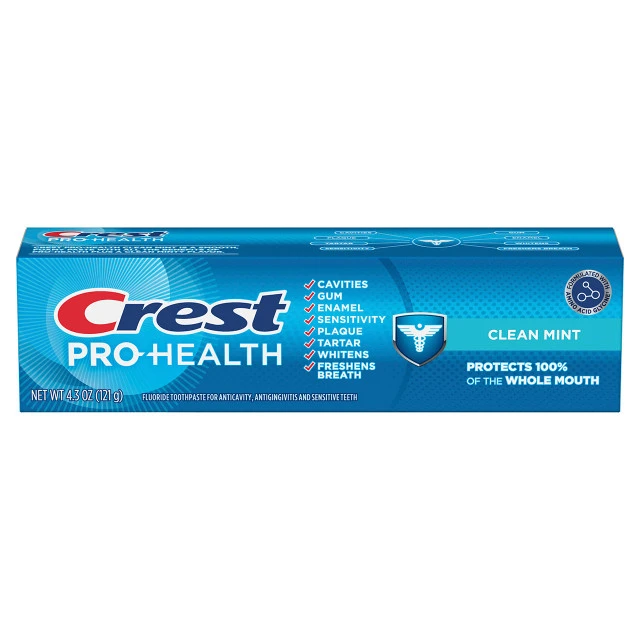
- Start your routine with Crest Clean Breath Toothpaste. This stannous fluoride formula works around the clock with twice daily use, actively fighting the bacteria that cause cavities and bad breath, so you enjoy a long-lasting, fresh, and clean feeling.
- Rinse with Crest Pro-Health Mouthwash: Swish with an antibacterial mouthwash like Crest Pro-Health Mouthwash to help reduce plaque bacteria, help deter new plaque formation, support gum health, and leave your mouth feeling thoroughly clean and refreshed.
- Brush 2x/day with an Oral-B iO Electric Toothbrush: An Oral-B iO electric toothbrush helps eliminate up to 100% more plaque than a conventional manual toothbrush. Its dentist-inspired round brush head effectively surrounds each tooth, adapting to the contours of teeth and gums to ensure a cleaner, healthier smile even in hard-to-reach areas.
- Use Floss: Daily flossing assists in dislodging plaque and debris from between teeth. Incorporating flossing into your routine can help remove any lingering food particles and plaque buildup, offering an additional layer of protection


How often should I replace an electric toothbrush head?
How do I clean an electric toothbrush?
Can I use an electric toothbrush with braces?
Are there disadvantages to using an electric toothbrush?
Can I bring an electric toothbrush on a plane?
Sources
- American Dental Association
- National Institutes of Health
- Grender, J., et al. (2020). An 8-week randomized controlled trial comparing the effect of a novel oscillating-rotating toothbrush versus a manual toothbrush on plaque and gingivitis. International Dental Journal, 70, S7–S15. https://doi.org/10.1111/idj.12571
- Mankodi, S., et al. (2005). A 6-month clinical trial to study the effects of a cetylpyridinium chloride mouthrinse on gingivitis and plaque. American Journal of Dentistry, 18 Spec No, 9A–14A. https://pubmed.ncbi.nlm.nih.gov/16178130/T
- Terézhalmy, G. T., et al. (2008). Plaque-removal efficacy of four types of dental floss. Journal of Periodontology, 79(2), 245–251. https://doi.org/10.1902/jop.2008.070345
- Timm, H., et al. (2023). Superior stain prevention efficacy of an electric toothbrush whitening brush head. Journal of Dental Research, 102, 0934.
- Zou, Y., et al. (2024). A meta-analysis comparing toothbrush technologies on gingivitis and plaque. International Dental Journal, 74(1), 146-156. https://doi.org/10.1016/j.identj.2023.06.009
- Zsiska, M., et al. (2021). Investigation of oral malodor prevention by dentifrices as measured by VSC reduction. Journal of Breath Research, 15(3), 10.1088/1752-7163/abf209. https://doi.org/10.1088/1752-7163/abf209