

ORAL-HYGIENE
Stomatitis: Types, Symptoms, Causes, and Treatment

Stomatitis is a broad term for inflammation inside the mouth and on the lips. A particularly severe variant is oral mucositis, frequently linked to cancer treatments. Familiar examples include cold sores and canker sores. This condition can stem from infections, physical injuries, allergic reactions, or cancer treatment side effects. Resolving the root cause usually clears the inflammation, with medications offering symptomatic relief. This article explores the causes of stomatitis, its various types, associated symptoms, and effective treatment methods.


What is Stomatitis?
Types of Stomatitis
- Stress and fatigue
- Vitamin deficiencies
- Hormonal changes Unlike some other stomatitis types, canker sores are not contagious, so direct contact with others isn't a concern.
- Canker sores
- Angular cheilitis
- Red/white patches
- Mouth soreness

Symptoms of Stomatitis
- Mouth sores (ulcers, blisters, red/white patches)
- Oral pain, often burning
- Mouth swelling and redness
- Difficulty eating or speaking
Causes of Stomatitis
- Oral trauma (burns, surgical damage, biting tongue/cheek)
- Bacterial infections (often due to poor oral hygiene)
- Fungal infections
- Viral infections (e.g., HSV-1)
- Nutritional deficiencies (Vitamin B12, iron, folic acid)
- Autoimmune diseases (Crohn’s, lupus)
- Allergic reactions
- Irritating foods
How to Treat Stomatitis
- Saline (salt water) rinses: Calm inflammation and reduce pain.
- Baking soda rinses: Neutralize acid, aiding sore area healing.
- Honey: Natural antibacterial, anti-inflammatory; eases stomatitis pain.
- Aloe vera gel: Soothes mouth sores.
- Dietary changes: Avoid acidic, spicy, or rough foods that worsen stomatitis. If these methods don't suffice, consider OTC medications or professional medical consultation for the best stomatitis treatment.
- Antiseptic mouthwashes: OTC antimicrobial/antiseptic rinses reduce bacteria, soothe irritation, and aid healing.
- Pain-relieving creams: Alleviate pain from severe sores and deter touching, promoting healing.
- Hydrogen peroxide rinses: Mild antiseptic; ease irritation by cleansing and removing mucus.
- Antihistamines or corticosteroids: Used in severe cases to reduce inflammation.
- Antiviral medications: For herpes-related stomatitis, antivirals can manage symptoms and pain (e.g., cold sore treatment), though HSV-1 isn't curable.
- Antifungal treatments: Doctors may prescribe antifungals for denture stomatitis treatment to eradicate thrush and resolve stomatitis.
- Antibiotics: If stomatitis stems from a bacterial infection, antibiotics will likely cure it.
- Steroid treatments: For autoimmune stomatitis (associated with certain autoimmune conditions like eczema), steroid creams or treatments can reduce effects and calm symptoms.

How to Prevent Stomatitis
When to See a Doctor
- Stomatitis lasting over two weeks
- Large, extremely painful, or spreading mouth sores
- Fevers or difficulty swallowing
- Swollen lymph nodes
- Frequent stomatitis recurrence
Oral Health Essentials: Your Guide to a Healthy Smile
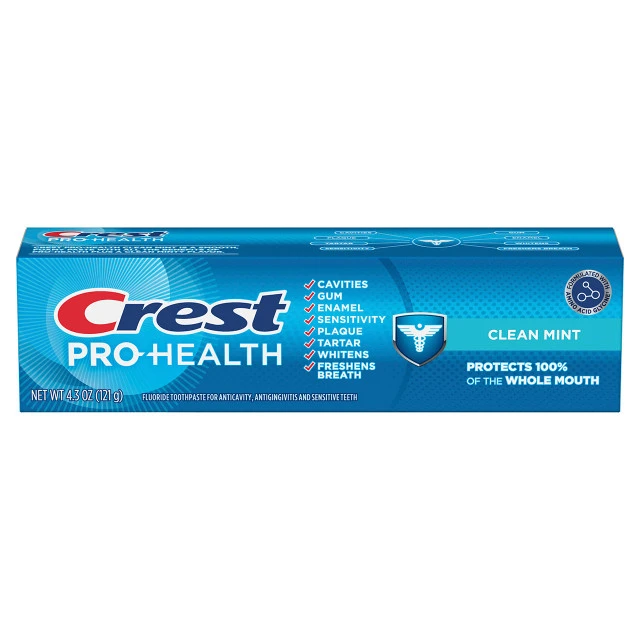
- Protect your mouth with Crest: Make sure to brush twice a day with a stannous fluoride toothpaste like Crest Pro-Health Advanced Deep Clean Toothpaste. Crest toothpaste formulated with stannous fluoride fights cavities and tooth decay, strengthens enamel, fights sensitivity, and provides lasting protection against plaque buildup with twice-daily brushing.
- Rinse with Crest Pro-Health Complete Clean Mouthwash: Swish with this alcohol-free, antibacterial mouthwash to help rinse away leftover plaque, support gum health, and leave your mouth feeling clean and fresh.
- Brush 2x/day with an Oral-B iO Electric Toothbrush: An Oral-B iO electric toothbrush, helps remove 100% more plaque than a regular manual toothbrush. The dentist-inspired round brush head surrounds each tooth as it adapts to the curves of teeth and gums to ensure a cleaner, healthier smile—even in hard-to-reach areas.
- Use String Floss: Flossing once a day removes plaque and trapped food between teeth. Adding flossing to your routine can help flush away remaining particles and plaque from hard‑to-reach areas, giving you an extra layer of protection and promoting healthier gums.


Can poor oral hygiene lead to stomatitis?
How does good oral hygiene aid stomatitis prevention?
Should I brush if I have stomatitis?
When should I see a doctor or dentist for stomatitis?
Sources
- https://my.clevelandclinic.org/health/diseases/stomatitis-oral-mucositis
- https://www.webmd.com/oral-health/stomatitis-causes-treatment
- https://www.healthline.com/health/stomatitis
- https://www.nhs.uk/conditions/mouth-ulcers/
- https://www.nhsinform.scot/illnesses-and-conditions/mouth/cold-sore
- https://my.clevelandclinic.org/health/diseases/21470-angular-cheilitis
- https://my.clevelandclinic.org/health/diseases/21702-denture-stomatitis
- https://www.verywellhealth.com/stomatitis-overview-4584883#toc-stomatitis-treatment
- https://health.clevelandclinic.org/what-is-magic-mouthwash
- https://www.webmd.com/drugs/2/drug-4570/hydrogen-peroxide-mucous-membrane/details
- Grender, J., et al. (2022). A 12-Week Randomized Controlled Trial Comparing a Novel Electric Toothbrush With an Extra Gentle Brush Head to a Manual Toothbrush for Plaque and Gingivitis Reduction. Compendium of Continuing Education in Dentistry (Jamesburg, N.J. : 1995), 43(3), f20–f29.
- He, T., et al. (2017). The Case for Stabilized Stannous Fluoride Dentifrice: An Advanced Formulation Designed for Patient Preference. Journal of Clinical Dentistry, 28(4 Spec No B), B1-5.
- Zou, Y., et al. (2024). A meta-analysis comparing toothbrush technologies on gingivitis and plaque. International Dental Journal, 74(1), 146-156. https://doi.org/10.1016/j.identj.2023.06.009